

India, a Country of Anti-Nationals


Anand Teltumbde spent 31 months as an undertrial in the Elgar Parishad case in the Taloja Central Prison until he was released on bail. The following is an excerpt from his new book The Cell and the Soul: A Prison Memoir, published by Bloomsbury, India.
Since Narendra Modi’s ascent to power in 2014, the term ‘anti-national’ has been weaponised against opposition figures, activists and dissenters. By consolidating control over state apparatuses, Modi’s regime has moved to assert its grip over civil society, creating a climate of fear and compliance. With bureaucratic and institutional support dominated by upper-caste sympathisers aligned with RSS ideology, the state machinery has eagerly followed the government’s signals, shedding professional ethics and embracing partisanship. The ‘anti-national’ narrative became a tool with which to silence dissent. Muslims, Dalits, tribal people and intellectuals are conveniently branded as ‘urban Naxals’ or anti-nationals, allowing the regime to suppress opposing voices under the guise of nationalism.
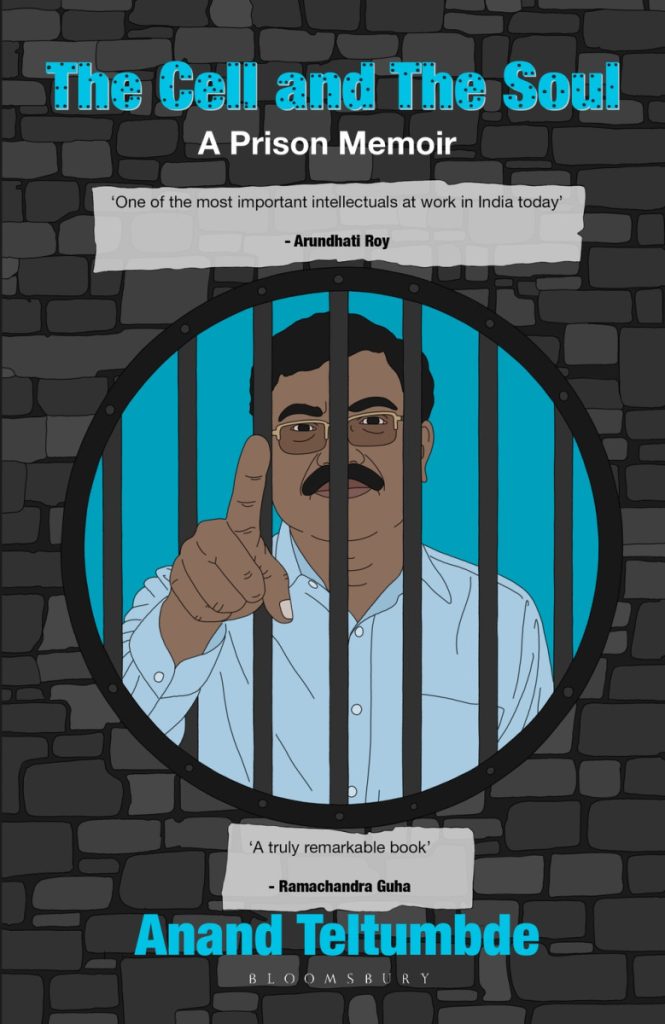
'The Cell and the Soul: A Prison Memoir', Anand Teltumbde, Bloomsbury, 2025.
The British-era sedition law, once wielded against freedom fighters like B.G. Tilak and Mahatma Gandhi, has been resurrected as a tool of repression. Gandhi famously called it the ‘prince among the political sections of the Indian Penal Code designed to suppress liberty’. Independent India, however, failed to abolish this draconian law, leaving it vulnerable to misuse. Under Modi’s regime, sedition cases have skyrocketed. Of the 405 sedition cases filed in the last decade, 95 per cent were filed post 2014. Data shows a 28 per cent rise in sedition cases filed annually between 2014 and 2020 from the previous decade. Of these, 149 were for ‘critical’ remarks against Modi and 144 for remarks against Uttar Pradesh Chief Minister Yogi Adityanath.
Nationalism has always served authoritarian leaders as a tool to consolidate their power, legitimise their rule and suppress dissent. By defining national identity in exclusionary terms, authoritarian regimes foster a sense of ‘us versus them’, uniting a majority against perceived enemies – whether minorities, dissenters or foreign powers. In India, ‘Hindutva nationalism’ has emerged as a potent force under Modi, marginalising minorities and stifling democracy. Policies and rhetoric targeting specific groups – based on religion, caste or ideology – undermine the principles of unity and equality that true nationalism should uphold. Instead, this form of nationalism prioritises the interests of a narrow religious and cultural majority at the expense of others, eroding social cohesion.
The concept of nationalism, born in a bygone era, has become a weapon in the hands of power-hungry politicians. In today’s interconnected world, its utility is increasingly questionable. Millions continue to die in wars, riots and acts of terror justified in the name of nationalism. Enormous resources are wasted in these futile power struggles, while humanity faces common challenges that require collective action. It is time to question the relevance of nationalism itself. Instead of clinging to outdated boundaries and divisions, humanity must embrace a future defined by solidarity and cooperation. A global movement of people declaring themselves ‘anti-national’ could disarm authoritarian regimes of their most potent weapon – fear. Only by transcending the artificial constructs of nationalism can we hope to build a world that prioritises humanity over narrow, exclusionary identities.
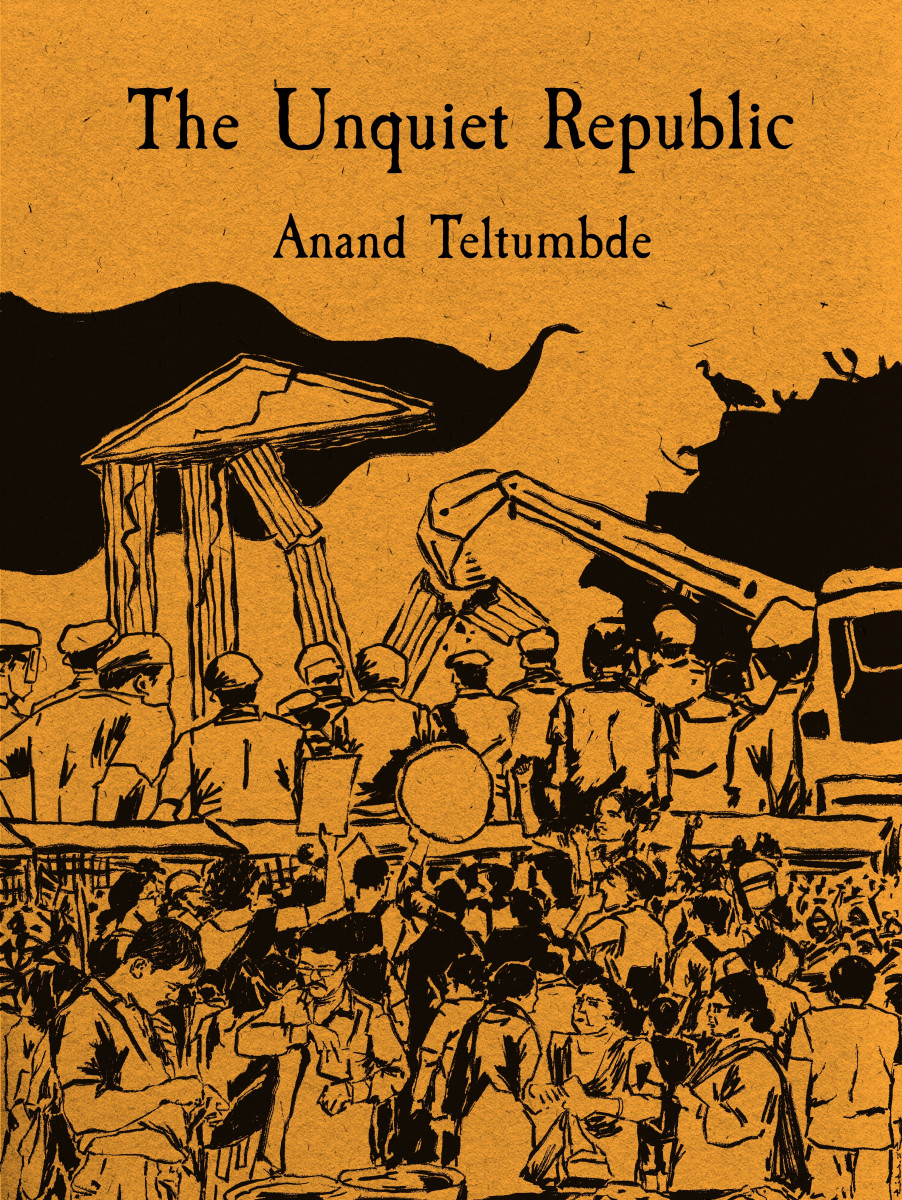 India’s vast arsenal of draconian laws paints a strikingly contradictory picture of its democracy. Appendix 2 provides a representative list of these draconian laws, which, though significant, cannot be considered exhaustive. Enacted in the name of ‘security’, these laws ostensibly aim to safeguard the nation from threats. However, their sheer number and expansive scope – spanning Central and state levels – suggest a deeper and more troubling reality: a pervasive distrust by the ruling dispensation of its own people. Implicit in the frequent invocation of such laws is the notion that a significant portion of the population poses a threat to the state, which logically translates to branding them as anti-national. This portrayal not only undermines the fabric of democracy but also raises profound questions about the state’s relationship with its citizens.
Under the Modi regime, since 2014, the application of these draconian laws has intensified. Laws like the UAPA, the National Security Act (NSA), and various state-specific legislations have been used with alarming frequency to silence dissent, criminalise protest and target marginalised communities. Critics, journalists, academics and activists – many of whom have devoted their lives to social justice – have been labelled anti-national and subjected to prolonged incarceration without trial. The misuse of these laws, often devoid of due process, illustrates a broader strategy to equate disagreement with disloyalty, dissent with sedition and resistance with rebellion.
The prevalence and aggressive use of these laws give rise to a chilling paradox: India, often hailed as the world’s largest democracy, appears to view a significant portion of its populace as adversaries. The government’s relentless narrative of internal threats – be it from activists, students, farmers or even comedians – has weaponised the term ‘anti-national’, eroding the space for dialogue and democratic participation. What this narrative effectively conveys is a deep-seated insecurity on the part of the state. Instead of addressing the structural inequalities and grievances that lead to social unrest, the government resorts to oppressive legal frameworks to suppress voices of opposition.
The notion of India as a ‘country of anti-nationals’ is a grim reflection of this mindset. The irony is stark: those who question the government’s actions or seek to hold it accountable are branded as enemies of the nation, while those who perpetuate divisive ideologies are celebrated as patriots. This inversion of values undermines the principles of justice, equality and freedom enshrined in the Constitution. It also risks alienating vast sections of the population, deepening social divisions and fostering a culture of fear and suspicion.
Ultimately, the rampant use of draconian laws underlines a critical failing of governance: the inability – or unwillingness – to engage with dissent constructively. By criminalising opposition and perpetuating the myth of an ‘anti-national’ populace, the state not only weakens the foundations of democracy but also undermines its own legitimacy. A truly secure and thriving nation cannot be built by stifling its people; it must be forged through inclusivity, dialogue and the recognition that dissent is not a threat but an essential component of democracy.
Anand Teltumbde is former CEO of PIL, professor of IIT Kharagpur, and GIM, Goa. He is also a writer and civil rights activist.
This article went live on October tenth, two thousand twenty five, at nine minutes past four in the afternoon.The Wire is now on WhatsApp. Follow our channel for sharp analysis and opinions on the latest developments.


