

How Bollywood’s ‘Cartelised’ Exhibition System Leaves Indie Films Like 'Agra' Out in the Cold


New Delhi: On the eve of release of his second feature-length venture, Agra, director Kanu Behl put out a social media post that read like an SOS. “We’re being denied shows…” Behl wrote, going on to add that the ball was now in the audience’s court. They would have to tag their multiplex chains to ask why such treatment was being meted out to a film that played in the Director’s Fortnight in Cannes 2023, and had been doing the rounds of festivals for two years. The film played to three housefull shows in 2023 edition of the Jio Mumbai MAMI film festival. Behl’s first film, Titli (2015), had been acclaimed – and still there was no apparent ‘buzz’ around the latest release this Friday (November 14).
Update on ‘Agra’, the film: We’re being denied shows because of the so called ‘big blockbusters’ and because small films ‘don’t fit into’ multiplex chain programming. It’s up to you the audience now! Speak up and tag the chains. Say that you want to see the film!
— Kanu Behl (@KanuBehl) November 13, 2025
Initially promised about 100 screens and 150 shows by their distributors, the studio and the filmmaker were staring at a release plan of around 70 shows – less than half – on the day before their release. “Out of these only 9 were PVRINOX,” says Behl, “and the ones we got were in far-off multiplexes without any of our target audience.”
On Friday morning, Behl’s film was only showing in a multiplex in INOX Malad, a Western suburb and central suburb, Bhandup. They didn’t get a single show in Citi Mall (Andheri), PVR ICON (Juhu), or any theatre in South Mumbai – where the audience might have been more initiated towards Behl’s film. “About 60 of these 70 shows are on the periphery of our metro audiences – it’s hard to make an impact with these shows,” noted Behl.
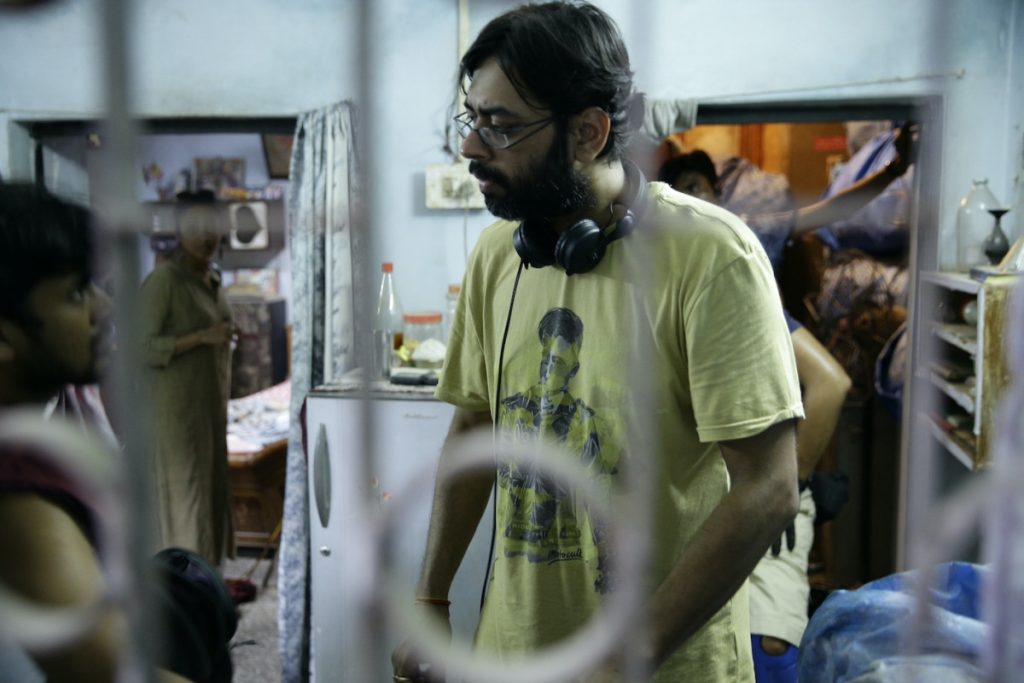
Kanu Behl during the shooting of 'Agra'. Photo by arrangement.
Someone privy to Behl’s strife said the head of Mumbai’s PVRINOX territory wasn’t even aware of the film’s release in theatres till a few days ago. Others, apparently, had formed a judgement about the film because of its explicit sexual scenes. As on Friday morning, Behl’s film had four shows in the National Capital Region (NCR) – including Delhi, Gurugram, Noida, Faridabad. And none of them were the prime screens like PVR Logix (in Noida) or PVR Select City (Saket) or PVR Priya (Vasant Kunj).
Contrast this with the release of Ajay Devgn-starrer, De De Pyaar De 2. Directed by Luv Ranjan, the film was allotted nearly ten shows on an average per multiplex, which would bring it to over a 100 shows per city. Something Behl can’t even manage to get across India.
It’s understandable that multiplexes would like to maximise their theatre occupancy with a popular film – and most small independent films tend to make way for their blockbuster peers. But this gap was almost too glaring to ignore. “I don’t think we’re being unreasonable when we ask for 100 screens across the country,” says Behl. “This is nothing short of cartelisation of the exhibition business. This is the mafia. You can’t have 100 shows of one film, and four for other films. It’s absurd, I just have no words for it.”
The chains have earlier been criticised by filmmaker Vikramaditya Motwane letting Pushpa 2 flush out the handful of shows given to Payal Kapadia’s All We imagine As Light – which won the Grand Prix at Cannes 2024. One gets the feeling that independent cinema suffers from an additional pressure of not fitting into the capitalistic apparatus of multiplex chains, and therefore dependent on the goodwill of the exhibitors to be allowed to succeed. It’s a label that Behl isn’t particularly fond of – because he considers distribution a ‘numbers game’. The more visibility a film has, the more likely it is to succeed. “There’s a direct correlation between a film appearing on the number of screens vs its eventual collection,” he notes. “I’d like to tell the chains to release my film on 2000 screens, and only after that tell me that my film is not making money.”
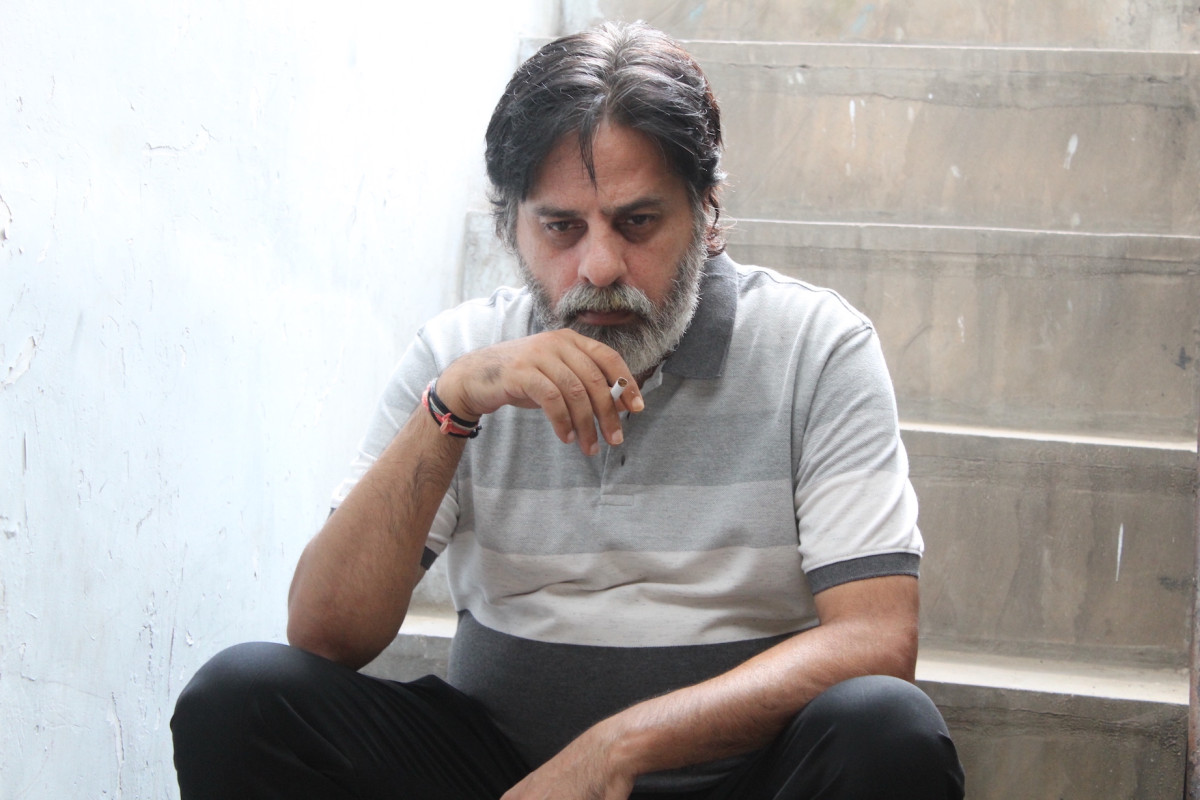
24 hours after Kanu Behl put out his SOS tweet, the two shows in Mumbai grew to around ten – with the total screens increasing from 70 to about 90. Photo by arrangement.
Programming a small film in obscure centres at odd times is a lose/lose for both the multiplexes and the filmmakers. The failure of such films are then used as anecdotal cases to discourage the exhibitors from taking a punt on experimental films. “It’s a rigged game,” says Behl, the resignation in his voice apparent. A decade ago, he released Titli with Yash Raj Films in his corner — which allowed him a relatively stable release, allowing the film to stay put in 400 screens for 12 days, before making way for the next Salman Khan-starrer.
Does the market only respond to the names associated with a film and the clout they carry? “It possibly does,” concedes Behl. “The merit of a film doesn’t matter. The most inane sh*t can be peddled, if it has someone with clout behind it. But anything with meaning, has no space. That’s the world that we live in.”
Exhibiting films is a mind-reading exercise, and therefore a really tough job. How does one even try to pre-empt what the audiences will watch, especially in volatile times like these – when most cynically-produced films (like War 2) can’t find an audience, while a film with newcomers (like Saiyaara) finds obscene numbers. Every week can come with its own lesson in humility – the trick might be to not be jaded, disillusioned and dismissively presumptuous. The trick might be to be open to programming different kinds of films, offering them the best chance to succeed. It needs a bold vision on the part of exhibitors, distributors and studios – willing to lose controlled sums of money in 99 screens only to make windfall gains in one screen – when the stars align.
Also read: In 'Agra', Kanu Behl Takes a Scalpel to the Inner Workings of the Indian Family
The most trying part of the process is the lack of transparency and the arbitrary treatment meted out to different films. What data point suggested that a film like Agra – which ran for three housefull shows during a film festival – will not do well in Versova or Juhu? “I’d like to challenge the exhibitors, and request them to allow me to hold one paid screening of the film in Versova. I could guarantee a 50% occupancy within half a day,” an insider working on the film said. A spokesperson from PVRINOX declined to respond to our questionnaire, citing that they don’t respond to ‘speculative’ pieces.
Twenty-four hours after Behl put out his SOS social media post, the two shows in Mumbai grew to around ten – with total screens increasing from 70 to about 90. But most of them are still tucked away in the peripheries of metro cities. PVRINOX – the single-largest multiplex chain in the country, has made little effort to showcase the film in their premium centres like PVR ICON (Juhu) or PVR Select City (Saket). There might be some interim relief for Behl, still one of the more famous names in Mumbai’s indie cinema circuit. We might have tried to treat cancer with a first-aid kit.
*Agra is playing in select theatres across India.
This article went live on November fifteenth, two thousand twenty five, at five minutes past six in the evening.The Wire is now on WhatsApp. Follow our channel for sharp analysis and opinions on the latest developments.


