

India Allowed to Construct Kishanganga, Ratle Hydroelectric Projects


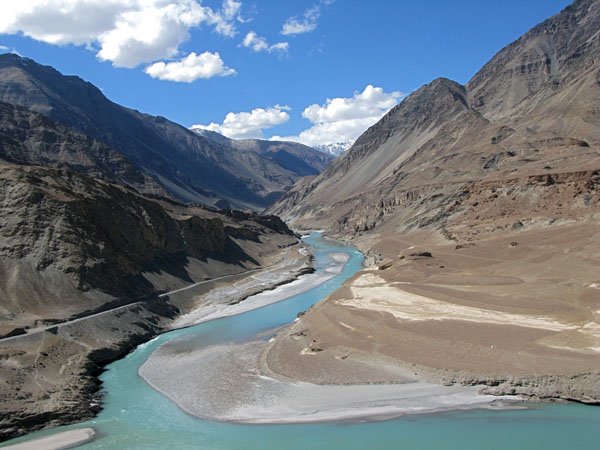
The Indus River Valley Credit: PTI/Files
Washington: Under the Indus Waters Treaty, India is permitted to construct hydroelectric power facilities on tributaries of the Jhelum and Chenab rivers with certain restrictions, the World Bank has said.
Pakistan opposes the construction of the Kishanganga (330 megawatts) and Ratle (850 megawatts) hydroelectric power plants being built by India, it said in a fact sheet issued yesterday at the conclusion of secretary-level talks between the two countries over the Indus Waters Treaty (IWT).
Noting that the two countries disagree over whether the technical design features of the two hydroelectric plants contravene the treaty, the World Bank said the IWT designates these two rivers as well as the Indus as the "Western Rivers" to which Pakistan has unrestricted use.
"Among other uses, India is permitted to construct hydroelectric power facilities on these rivers subject to constraints specified in Annexures to the treaty," the Bank said in its fact sheet as it noted that the secretary-level discussions between Indian and Pakistan on the technical issues of the IWT took place this week "in a spirit of goodwill and cooperation".
The parties have agreed to continue discussions and reconvene in September in Washington, DC, it said in a separate statement.
In the lengthy fact sheet, the World Bank said Pakistan asked it to facilitate the setting up of a Court of Arbitration to look into its concerns about the designs of the two hydroelectric power projects.
On the other hand, India had asked for the appointment of a neutral expert to look into the issues, contending the concerns Pakistan raised were "technical" ones.
The IWT was signed in 1960 after nine years of negotiations between India and Pakistan with the help of the World Bank, which is also a signatory.
The World Bank's role in relation to "differences" and "disputes" is limited to the designation of people to fulfill certain roles when requested by either or both of the parties, the fact sheet said.
(PTI)
This article went live on August second, two thousand seventeen, at fifty minutes past eleven in the morning.The Wire is now on WhatsApp. Follow our channel for sharp analysis and opinions on the latest developments.


