

Mice-Infested Kitchens, Leaking Ceilings and Poor Food: The Cost of Studying in Delhi


The collapse of a five-story building housing students in Satya Niketan, near Delhi University's (DU) south campus, on September 6 emphasised the poor maintenance of student accommodations in the capital. Seven people lost their lives while 11 students were rescued from the remains of the building, raising concerns over construction permissions and safety.
Every year, students leave their homes, pack their bags and travel to Delhi to start a new phase of their life. Fresh out of school, they arrive in the city with dreams of making their parents proud, putting their all in everything from competitive exams to academics to internships to extracurricular activities. However, expectations often do not meet the reality. With limited availability in hostels, students are compelled to stay in paying guest (PG) houses, making safe, clean accommodations difficult to find.
The challenge begins with simply finding a place to stay. Eklavya Tiwari, a second-year DU student from Uttar Pradesh, found the PG he is staying at through the internet. Well-aware of the limited availability in hostels, he was grateful to have found a PG whose rooms were comparatively ventilated, although he was wary of the Rs 12 charged per unit of electricity as opposed to the conventional Rs 8-10.
During his first year, Eklavya said he got along well with his roommates, trying his best to make the PG feel like home. However, the poor quality of food provided to the students soon became a pressing concern.
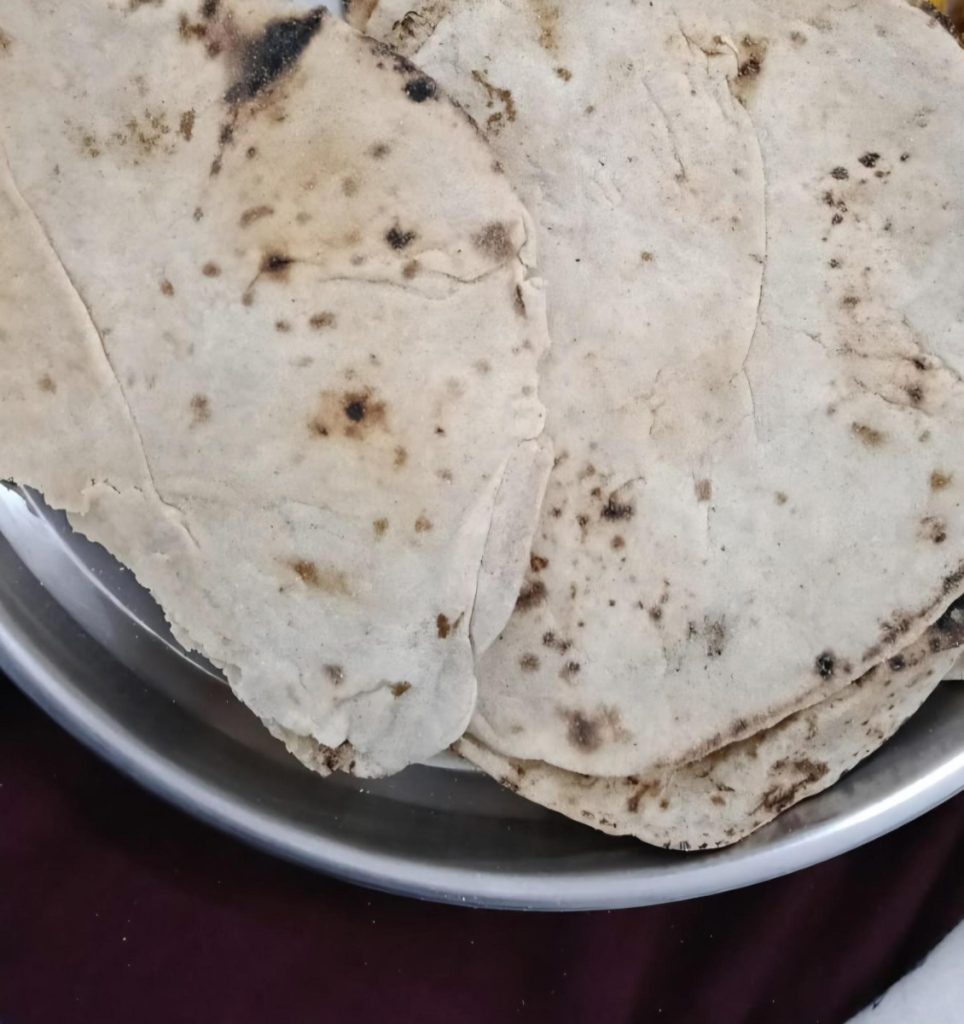
Undercooked rotis provided in Delhi PGs. Photo: Eklavya Tiwari.
Basic hygiene was not maintained in the kitchen, with pests like mice inhabiting kitchen drawers. Everyday staple food like rotis was oftentimes served half-cooked, making them difficult to eat. Even though the owner initially seemed receptive to student concerns, improvement in food quality would barely last a few days before deteriorating again.
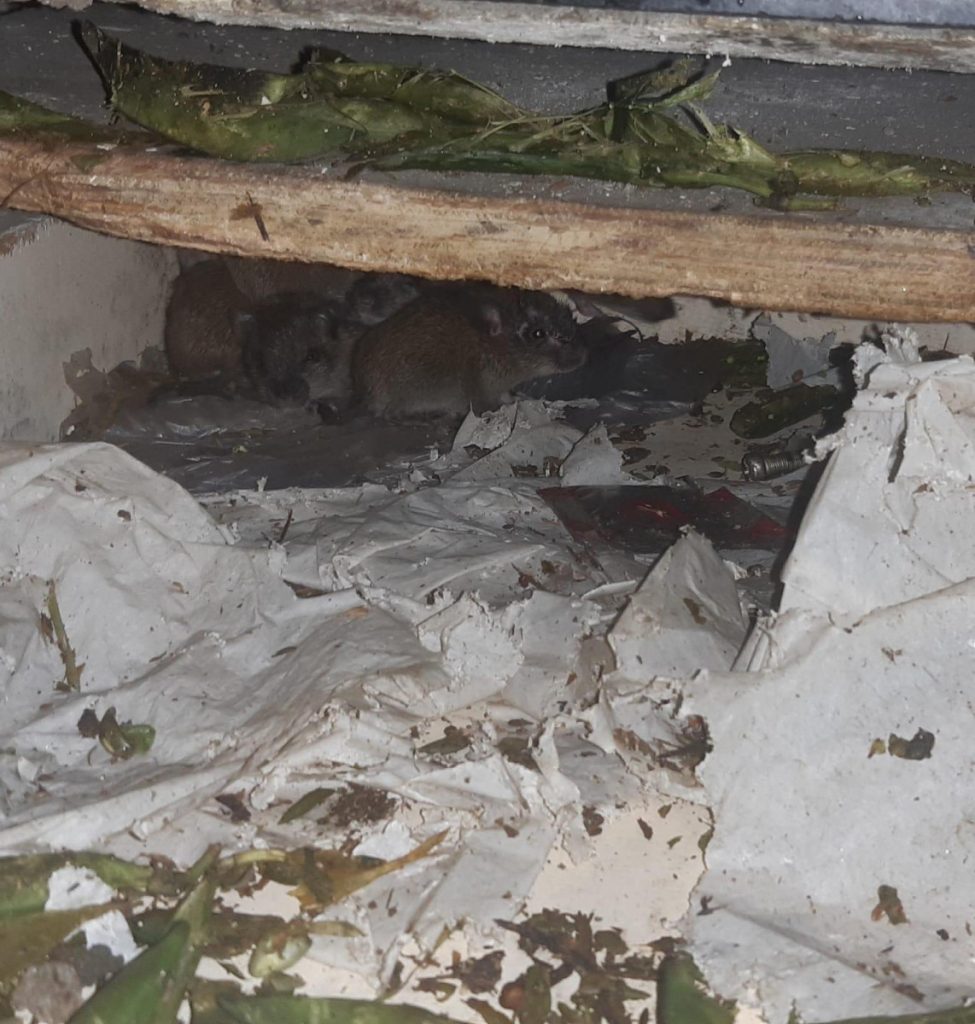
Mice living in kitchen drawers. Photo: Eklavya Tiwari.
After facing the same problem repeatedly, he eventually stopped eating the food provided by the PG. As a result, he was forced to eat at a nearby shop where a tiffin meal then costed Rs 60. Though his friends later told him that the quality and taste of the PG food had become “okay," he did not resume eating there.
Maintenance was another issue that became challenging over time. After the first few initial months, the PG owner stopped responding to student complaints about leakage and repairs. He would avoid picking up the phone and constantly evade responsibility.
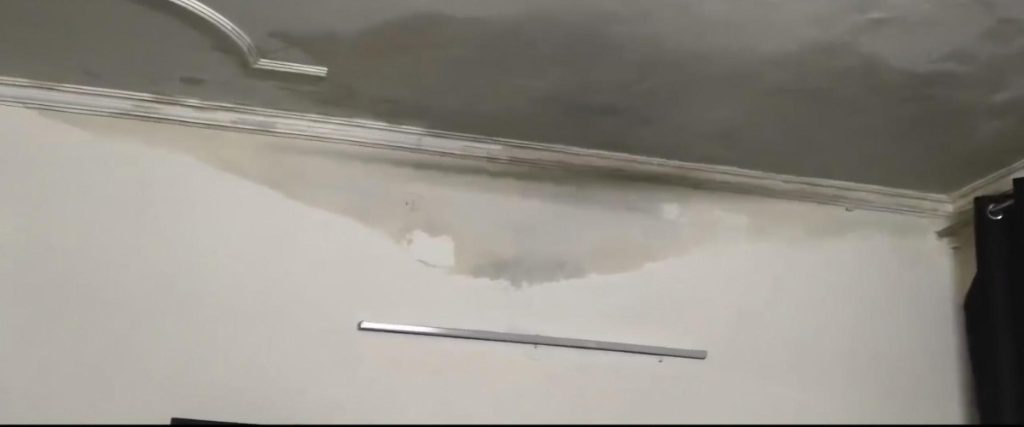
Eklavya's room's leaking ceiling. Photo: Eklavya Tiwari.
A damp patch on the ceiling in Eklavya’s room became a persistent problem. Despite raising the concern for nearly five months, the issue remained unresolved. The owners attempts to fix the leakage, when it turned severe, proved futile and merely acted as a bandaid solution. The dampness persisted.
For students arriving in Delhi, finding a suitable PG can itself become a challenge, especially when the academic year has already begun.
“Even if you find a good one, it could just be a fluke,” said Eklavya.
According to him, students needed to start looking for accommodation well before the academic year began, as finding a suitable PG becomes increasingly difficult once classes have started. He said that even with a monthly fee of Rs 16,000, students can end up sharing a double room with little to no ventilation.
Thus, careful and timely search for an accommodation was essential. Eklavya is now considering moving out of his PG and is looking for accommodation of his own.
For Priyanshu Maheshwari, another second-year DU student from Ujjain, the problems with PG accommodation ended up having an adverse effect on his health.
Priyanshu received his university admission a month after the academic year had begun. By then, finding a suitable PG had become near impossible. With the help of his friends, he eventually found accommodation in Vijaynagar and started his life in Delhi.
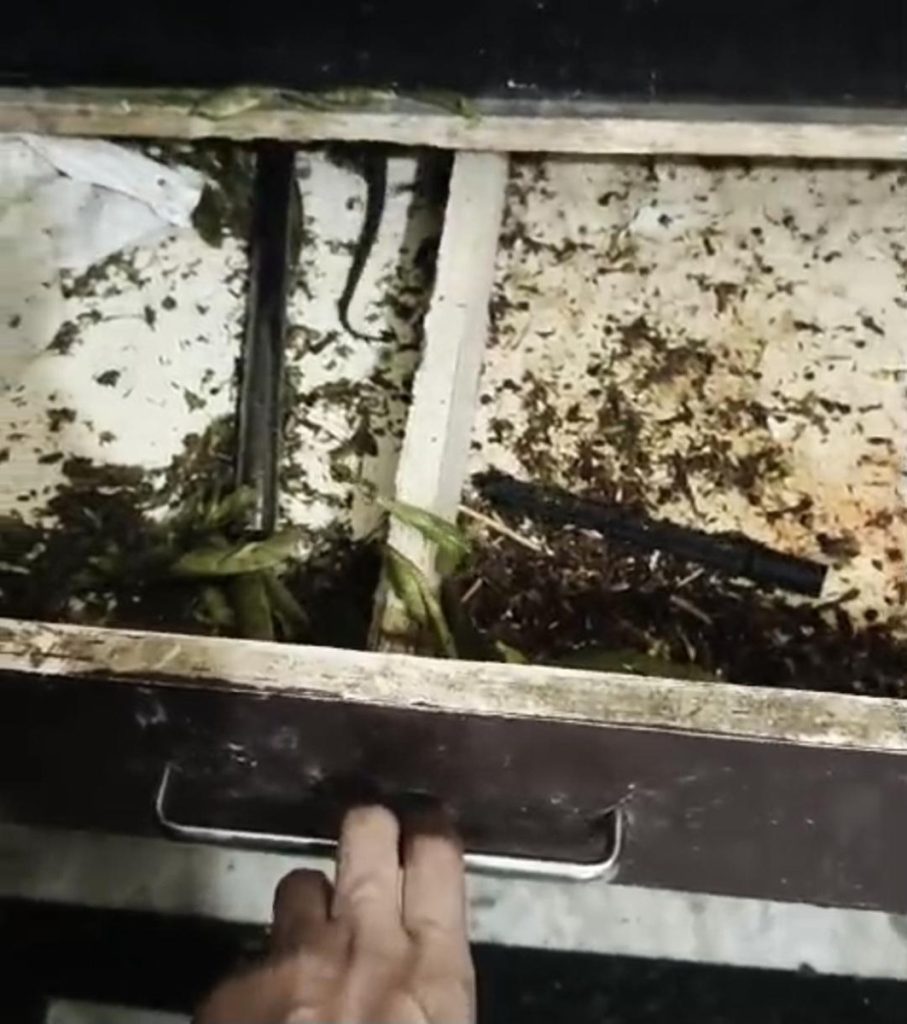
Image of a kitchen drawer from the PG showing poor sanitation and disregard for student health. Photo: Eklavya Tiwari.
During his first year, Priyanshu suffered from food poisoning and typhoid caused by the poor quality of food and water at the PG. No medical assistance was provided to him and he had to return home to receive treatment.
The time away affected his studies. He missed classes while recovering and later had to catch up with his coursework. Afterwards, he stopped eating the food provided by the PG and began ordering food or eating outside.
Priyanshu also raised the issue of security deposits, recalling how one of his friends had still not received his deposit from the PG owner, even though he had moved out of Delhi months ago.
According to him, the owner stopped answering his friend’s calls, who had to eventually call from another number. Even then, the owner allegedly made excuses and ended the call. His friend is now planning to return to Delhi and speak to the owner in person.
These experiences, says Priyanshu, highlight the need for more student accommodations in Delhi, with proper security and safety measures. He believes the government should focus on increasing hostel availability so students are not forced to depend entirely on PGs in a completely foreign city.
He added that PGs should pass regular health and cleanliness inspections and that kitchens should be mandated to maintain the prescribed level of hygiene.
The Satya Niketan collapse has shown the dire consequences that unsafe student accommodation can have. Safety is only one part of this struggle; food, maintenance, hygiene and basic facilities can exacerbate an already demanding phase of students' lives.
Tamanna Kaul is an editorial intern at The Wire.
This article went live on September twenty-fifth, two thousand twenty six, at fifty minutes past five in the evening.The Wire is now on WhatsApp. Follow our channel for sharp analysis and opinions on the latest developments.


