
Turkey Enacts New Law to Regulate Social Media Content
DW


Real journalism holds power accountable
Since 2015, The Wire has done just that.
But we can continue only with your support.
Turkey's parliament on Wednesday passed a law that gives authorities more powers to control the content on social media.
Among other things, the law requires social media companies such as Facebook and Twitter to have representatives in Turkey who are tasked with dealing with complaints about the content on their platforms. Failure to designate a representative will be punished with large fines, advertising bans and bandwidth reductions that would make the use of a social media network so slow as to be impractical.
Penalties will also be imposed if the content that has been found unacceptable is not removed or blocked within 24 hours.
The new legislation will also require user data from social media networks to be stored in Turkey.
Critics say the law will increase censorship and help stifle dissent in a country that has already been frequently known to block online content of which the government disapproves.
Also read: Explained: How Turkey President Erdoğan is Using COVID-19 to Stifle Dissent
Frequent blocking
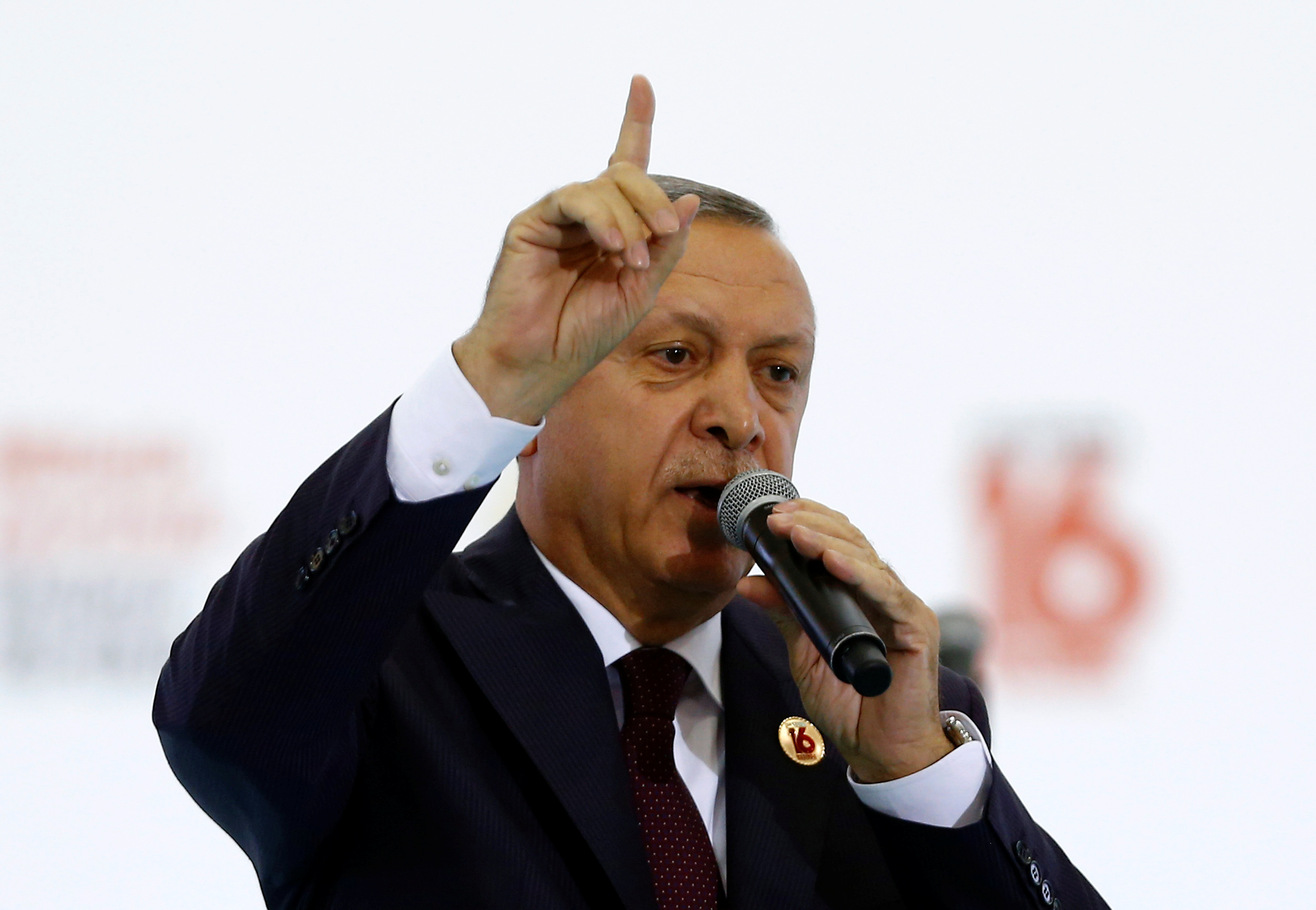
The legislation was called for by President Recep Tayyip Erdogan, who has said he wants to eradicate immoral content on social media. The government contends that the law aims to fight cybercrime and protect users.
The bill had been backed by Erdogan's ruling Justice and Development (AKP) party, which has the majority of seats in parliament with its junior coalition partner, the Nationalist Movement Party (MHP).
Turkey is already the country that issues the most requests to remove content from Twitter, and more than 408,000 websites are blocked in the country, according to the Turkish Freedom of Expression Association.
Turkish authorities blocked the online encyclopedia Wikipedia for three years until the country's top court ruled that doing so was a violation of the right to freedom of expression.
The country also has one of the world's highest rates of imprisoned journalists, many of whom were arrested in a crackdown following a failed coup in 2016.
This article was originally published on DW.
This article went live on July twenty-ninth, two thousand twenty, at twenty-one minutes past one in the afternoon.The Wire is now on WhatsApp. Follow our channel for sharp analysis and opinions on the latest developments.