

India Dismisses Proposed UNSC Reforms as Repackaged Discarded Options


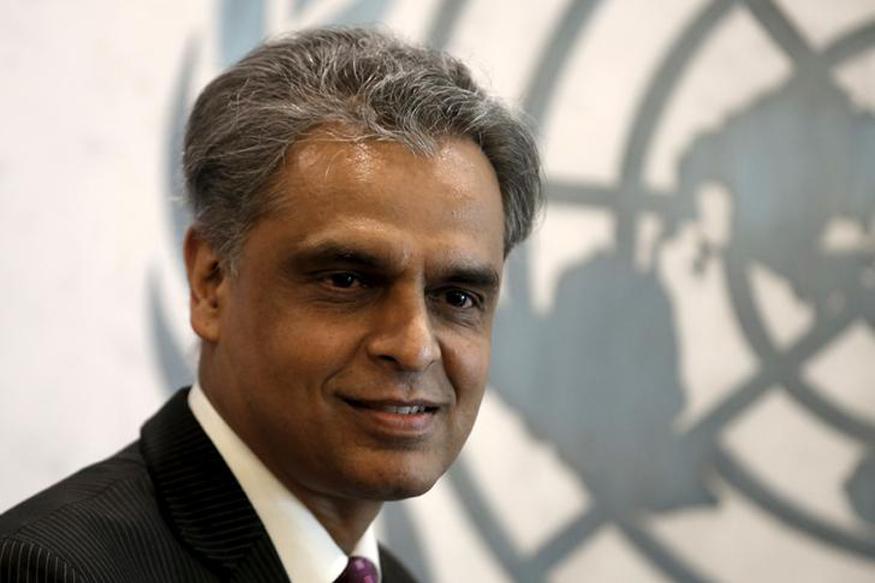
India's permanent representative to the UN Syed Akbaruddin calls the new negotiations "unacceptable". Credit: Reuters
United Nations: India has opposed introducing new categories for consideration in inter-governmental negotiations on the expansion of the UNSC, saying it is "unacceptable" that "discarded" options on increasing the UN body's membership are being repackaged as new offerings.
India said, "The unrepresented and underrepresented want parity."
Offering them comfort in terms of length of serving on the council is inadequate. These options neither reflect the new political realities nor address the crisis of legitimacy that confronts the UN Security Council, India's permanent representative to the UN, ambassador Syed Akbaruddin said here yesterday.
Participating in the informal meeting on inter- governmental negotiations on the question of equitable representation and increase in membership of the Security Council, Akbaruddin said India is "not in favour of the introduction of any categories which have been examined and discarded in the past."
"Options whose sell by date has long been over and are now being repackaged as new offerings are unacceptable, he said.
He questioned new options outlined by Italy's representative on behalf of the United or Consensus Group, of which Pakistan is also a member.
One option offered by the group focused on expansion of two-year non-permanent seats and the other for introduction of a new category of longer term members who can be re-elected.
"In the interests of interactivity can it be clarified, for example, how does Africa's quest for being represented in the permanent category be satisfied by giving longer term representation through a new category," Akbaruddin said.
With African states already being represented in the non-permanent category on a continuing basis, Akbaruddin asked are they to be perpetually satisfied with serving longer terms and not breaking through the barrier of being unrepresented in the permanent category.
Is a new category a new glass ceiling that will now stand in their way, he said, adding that the desires of African states need to be respected just as those of others opposing certain arrangements. "Are we planning to have conditions listed on the basis of which Africa will be represented in the permanent category, he added.
Akbaruddin cautioned against member states creating an impression that conditions are being put on any aspect of the expansion process and on any form of representation, ahead of even negotiations on a text.
He also questioned why some member states were raising issues midway in the negotiations process on the already agreed elements regarding the size of the council.
"The various queries made regarding size of the council and working methods in the Food for Thought paper are disconcerting. In the process that is underway, we need to build on what is already in place, without taking away from what has been built already, he said, referring to the document tabled for consideration on UNSC expansion.
"This should not happen unless we are in a new situation i.e. negotiations with a text, where of course as many things as wished by member states can be opened up as we are all aware that nothing is agreed until everything is agreed, Akbaruddin added.
He stressed that all positions by member states can find a place in the current negotiating paper or any other document or text without feeling the urge to undermine each other.
(PTI)
This article went live on May ninth, two thousand seventeen, at twenty-eight minutes past eleven in the morning.The Wire is now on WhatsApp. Follow our channel for sharp analysis and opinions on the latest developments.


