
Sudan Extends Ceasefire Ahead of Scheduled End to US Trade Embargo
Reuters


Real journalism holds power accountable
Since 2015, The Wire has done just that.
But we can continue only with your support.
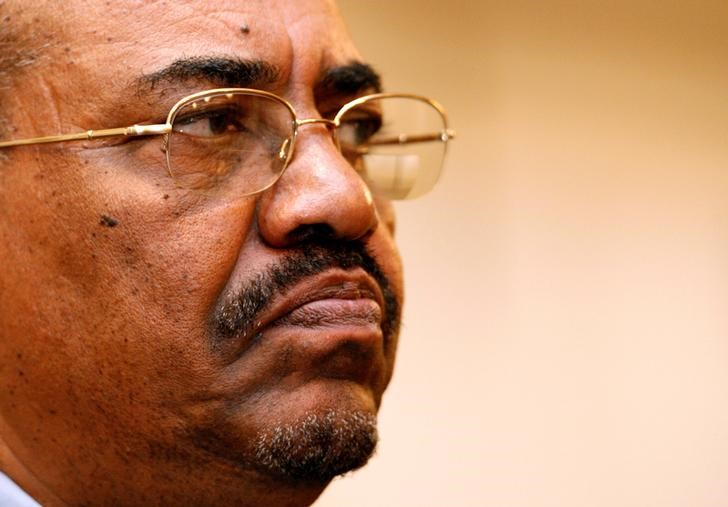
Sudanese President Omar Hassan al-Bashir addresses a news conference in Cape Town, South Africa, November 7, 2007. Credit: Reuters/Mike Hutchings/Files
Khartoum: Sudan will extend a unilateral ceasefire with rebels until the end of October, a decree by President Omar Hassan al-Bashir said on Sunday, two weeks before the US plans to lift a 20-year-old trade embargo against Sudan.
The US said on January 13 it would lift the embargo but would wait 180 days before doing so to see whether Sudan acts further to improve its human rights record and resolve political and military conflicts, including in warring regions such as Darfur.
On January 15th, Bashir extended the ceasefire – in place since October 2016 – for six months in response to the US move.
The US said then that it would unfreeze Sudanese assets and lift financial sanctions as a response to Khartoum's cooperation in fighting Islamic State and other militant groups.
Fighting between the army and rebels in Kordofan and Blue Nile regions broke out again in 2011, when South Sudan declared independence. Conflict in Darfur began in 2003 when mainly non-Arab tribes took up arms against Sudan's Arab-led government.
Sudan previously announced short-term truces in these regions in June and October 2016, after which fighting eased in the southern Blue Nile and Kordofan but carried on in Darfur.
Sudan's economic problems have been building since the south seceded in 2011, taking with it three-quarters of oil output, the main source of foreign currency and government income.
(Reuters)
This article went live on July third, two thousand seventeen, at six minutes past four in the afternoon.The Wire is now on WhatsApp. Follow our channel for sharp analysis and opinions on the latest developments.