

In Drought-Stricken Mahoba, Animals Are Rapidly Dying


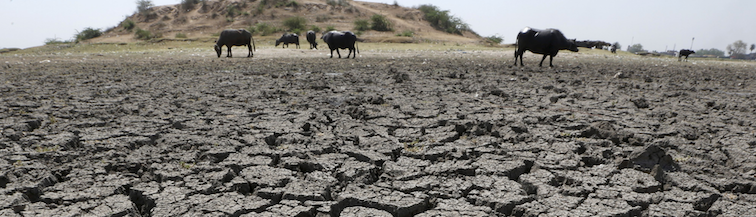
Farm and dairy animals like cows and goats are dying painfully of a severe shortage of fodder and drinking water.
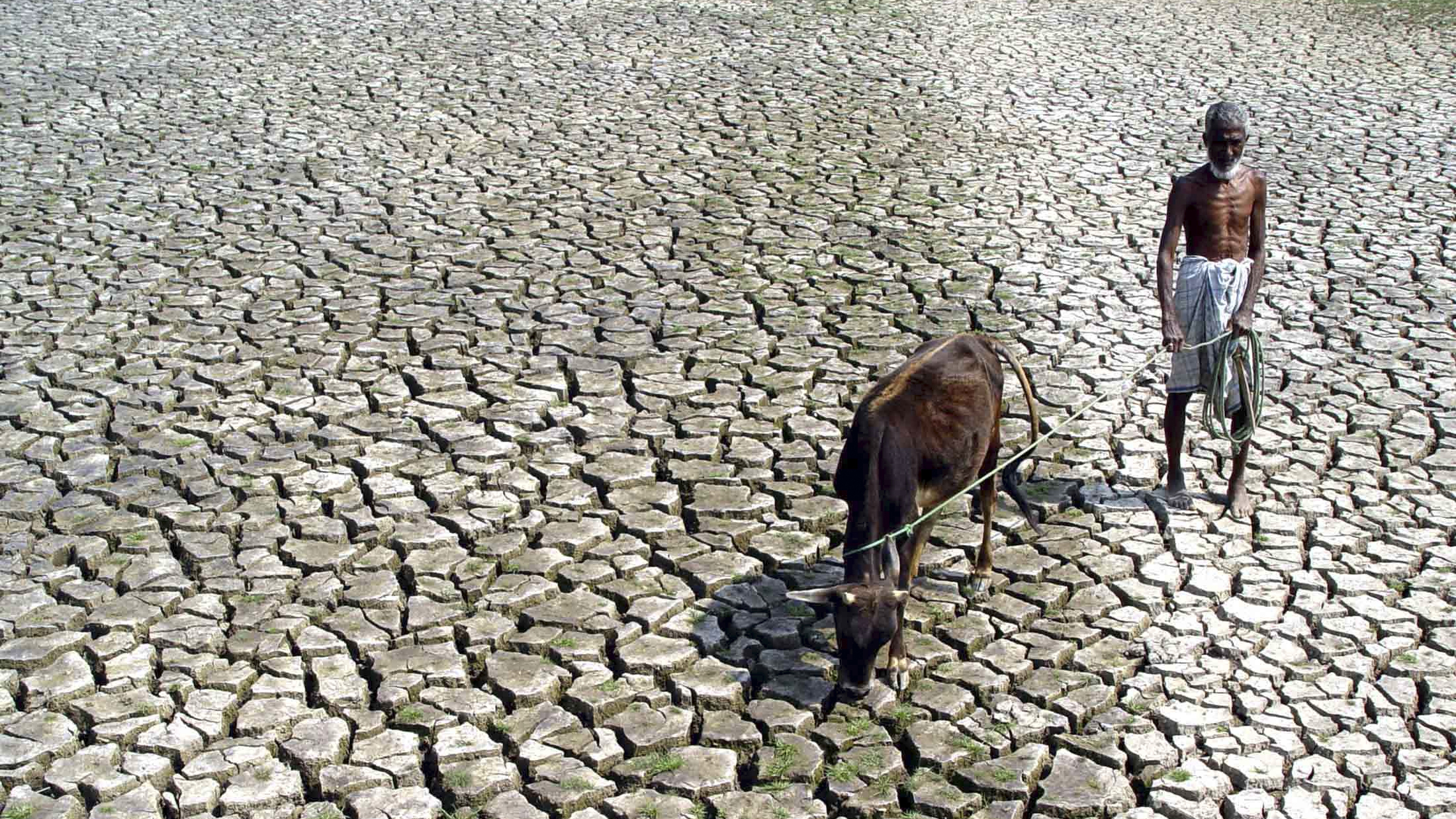
Representative image. Credit:Reuters/Jayanta Dey
Farm and dairy animals are dying at a massive scale in several villages of the drought-hit Mahoba district in Bundelkhand. At least sixty cows and buffaloes, and five hundred goats have perished in the village in Bihar over the last two or three months. In the village of Mahuabandh, at least seventy cows and buffaloes have died in the same period.
In another village, a farmer named Ram Ashrey said, “We have been losing our animal wealth rapidly. The number of farm animals now is at only 25% of what existed about a decade ago.” Many villagers have lost their livelihoods with the rapid dying of cattle.
There is a severe shortage of the staple fodder, or bhusa, which consists almost entirely of wheat crop residue. Two wheat crops have been lost in two successive years and hardly any fodder is available, and even if it can be arranged it is too expensive for the villagers to buy.
There is also an acute drinking water problem. This is a situation in which water is difficult to get for human beings, so it is unlikely for the water needs of animals to get as much attention. It is pathetic to see hungry animals roaming for hours in search of food and water. Unfortunately, those who cry themselves hoarse on the issue of cow protection have not come forward to help Mahoba's cows or other dairy animals with any significant initiatives.
Predictably, the government has announced meagre help, including bhusa provisions, but very few people have derived any significant benefits from this.
Possible solutions
The dying animals could be helped by camps established for them near existing water sources, in which some water and some bhusa for cows and other animals can be ensured. New water sources could also be created. Since a large number of animals would be likely to assemble at such camps, arrangements could be made to collect cow dung and urine to support model organic farms in nearby locations.
Some NREGA funds can also be used to create these camps at a number of carefully selected places so that the maximum possible relief can be provided to these silent animals who are enduring extreme hunger and thirst.
This is the fifth of a series of reports on the drought in Bundelkhand’s Mahoba district. Read the fourth here.
The Wire is now on WhatsApp. Follow our channel for sharp analysis and opinions on the latest developments.


