

In Photos | The Geopolitical and Human Realities of Ladakh


Seven years after August 5, 2019, when the erstwhile state of Jammu and Kashmir was split into two Union territories, the region’s political and geopolitical fault lines are unresolved and uncertain. From Ladakh’s frontiers to the Kashmir Valley, the landscape reflects competing aspirations over security, autonomy, identity and democratic representation.
For Ladakh, the initial enthusiasm over separation from Jammu and Kashmir gave way to concerns over political representation, land, culture, employment and environmental protection. These tensions culminated in the September 2025 protests and intensified demands led by the Leh Apex Body and Kargil Democratic Alliance.
The Union government is now considering a constitutional framework under Article 371, after discussions over Sixth Schedule safeguards. The proposed model would create a UT-level elected body with legislative, executive and financial powers, while retaining the existing Hill Councils. The government claims that the arrangement will not amount to statehood and will be developed through consultation and consensus.
Ladakh Chief Secretary Ashish Kundra, who participated in the MHA sub-committee meeting with representatives of Ladakh in New Delhi, said discussions had made progress on the proposal to establish a Union Territory-level elected body under a special constitutional arrangement.
Kundra claimed that the Union did not want to impose any governance structure on Ladakh without taking into account the wishes and aspirations of its people. But several questions – including the division of powers between institutions – remain unresolved, with another round of discussions expected this month.
Meanwhile, Kashmir remains under a security-heavy governance structure, with elected representatives operating within the constraints of Union Territory administration.
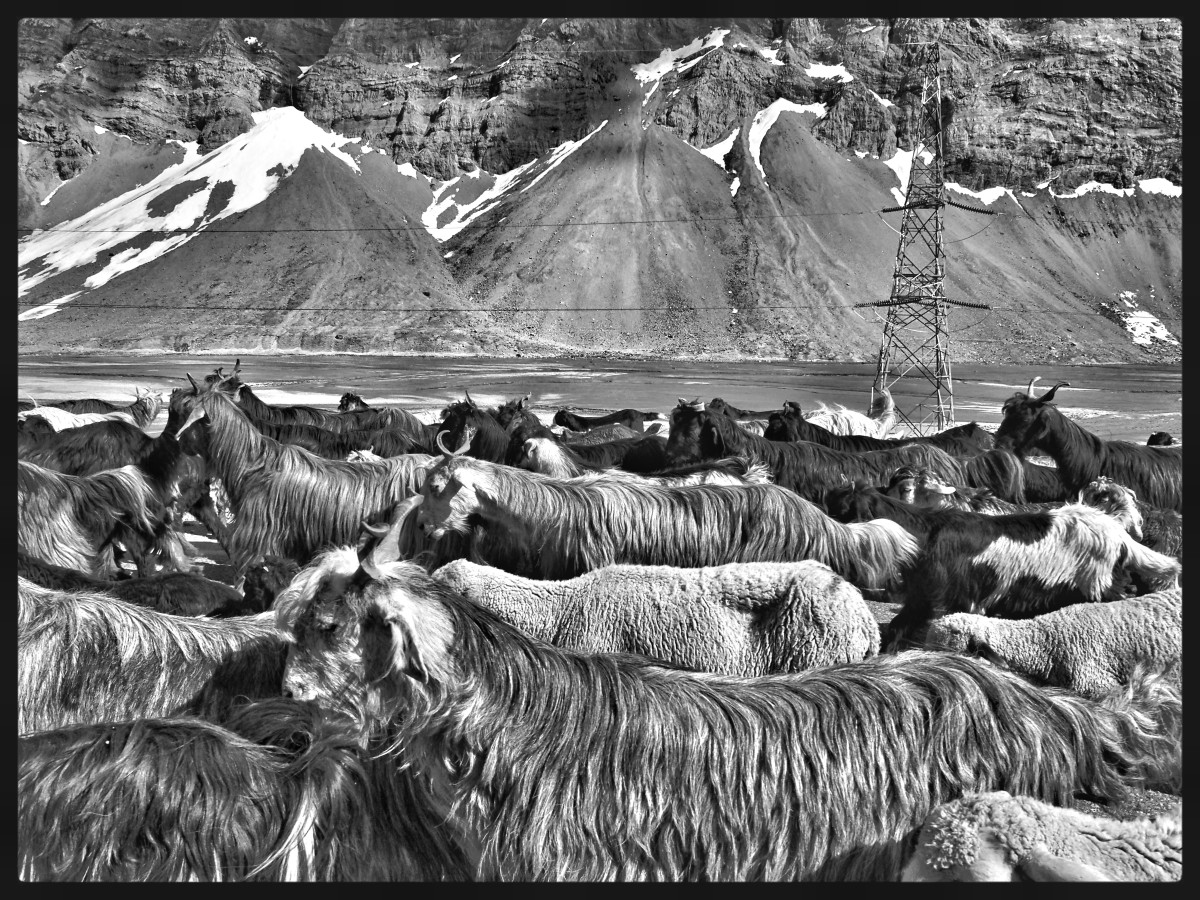
Sheep in the remote areas of Ladakh.
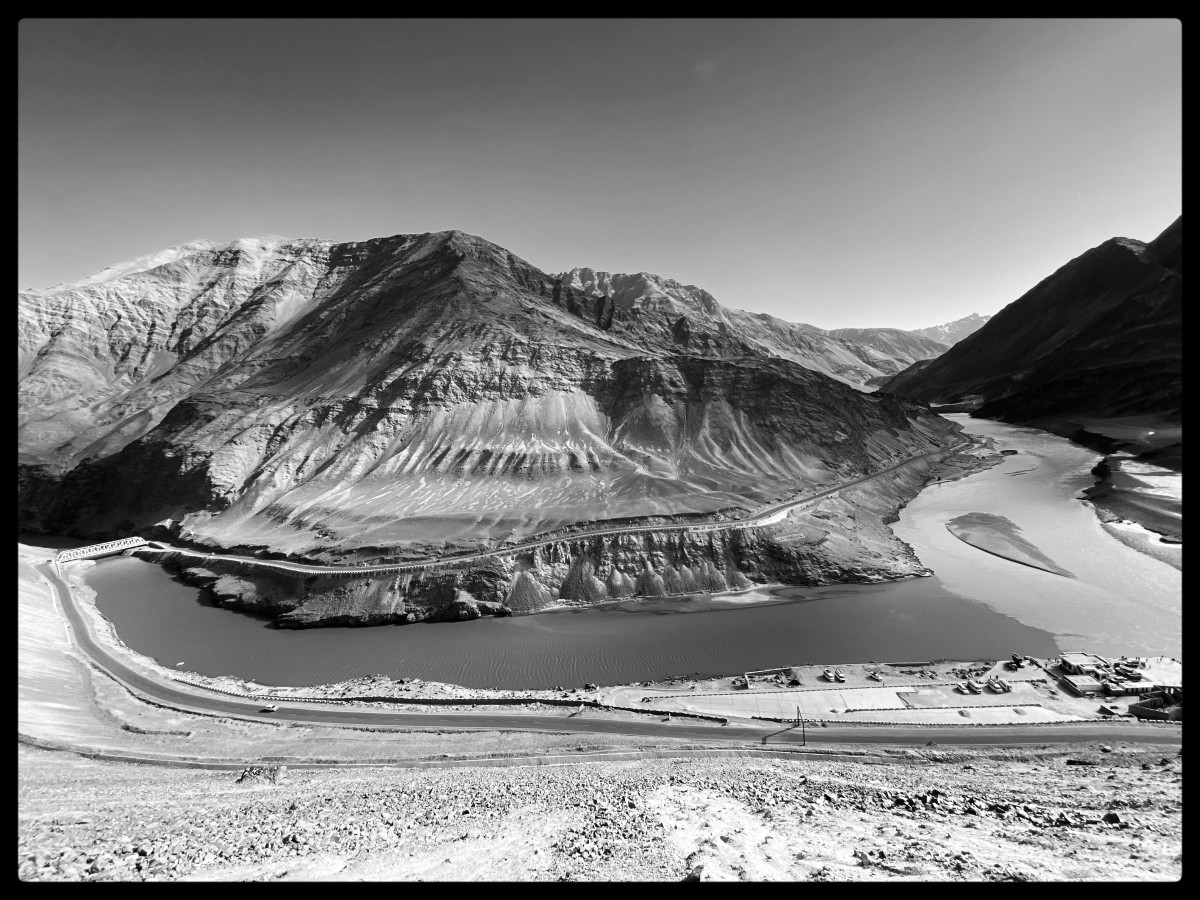
Where river Indus meets the river Zanskar in Ladakh.
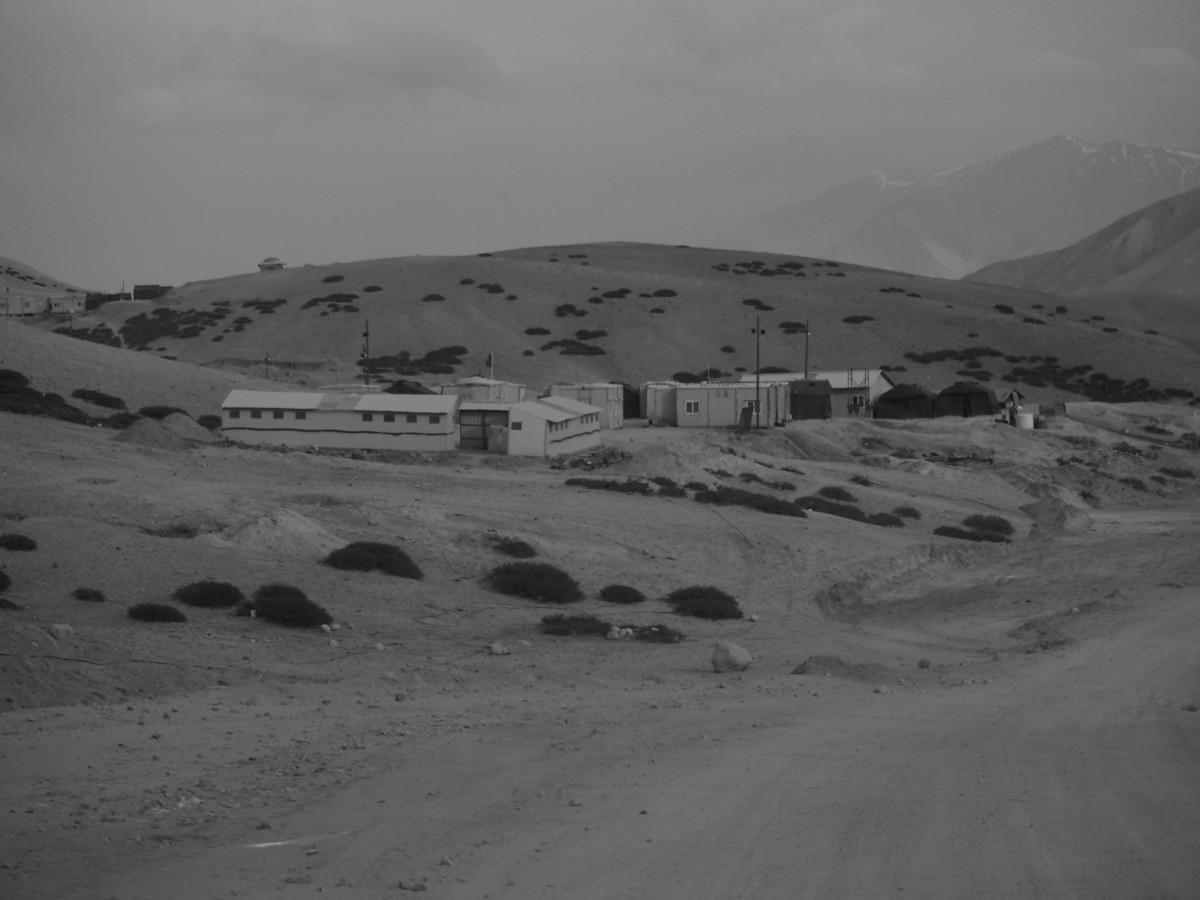
The ITBP looks at the Indo-Tibet borders, and the Indian Army, at the LAC.
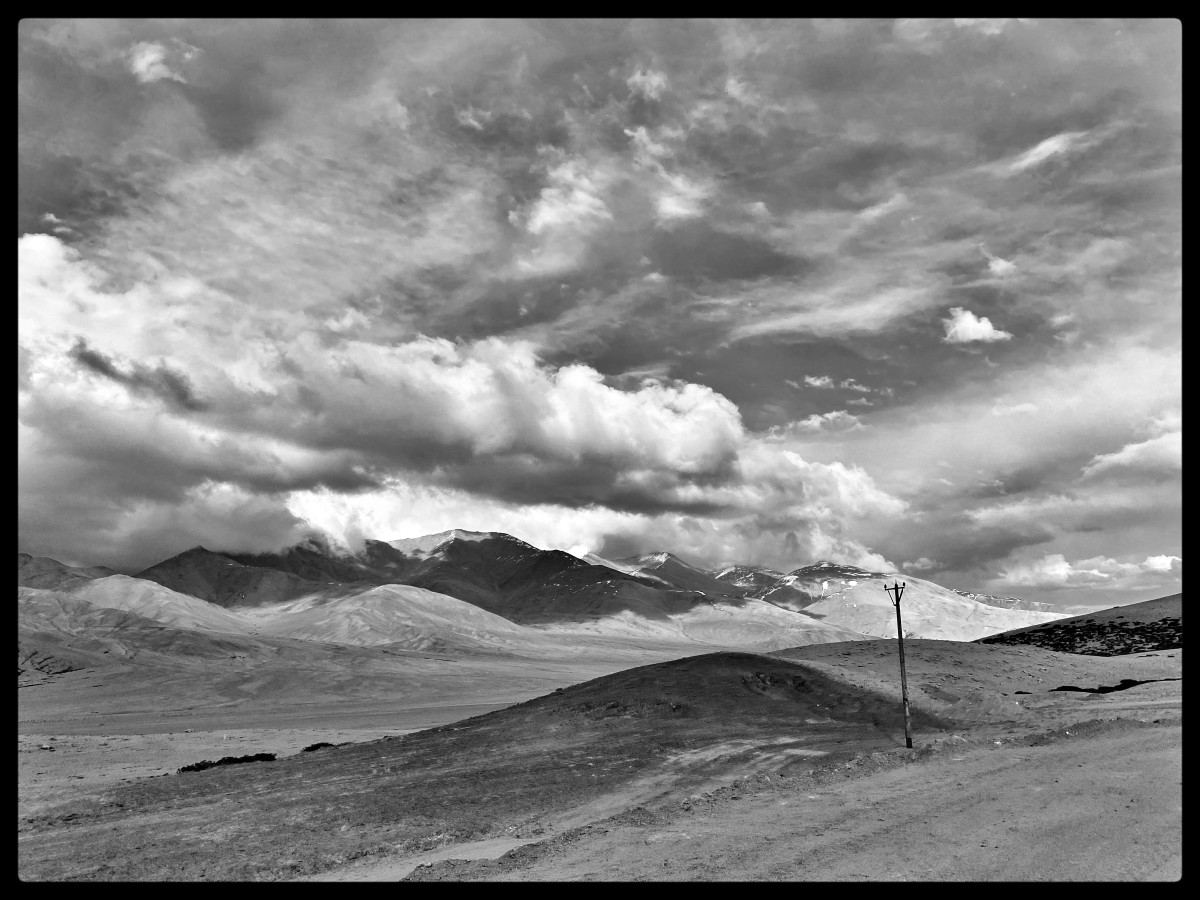
The Kailash range, crucial during Galwan.
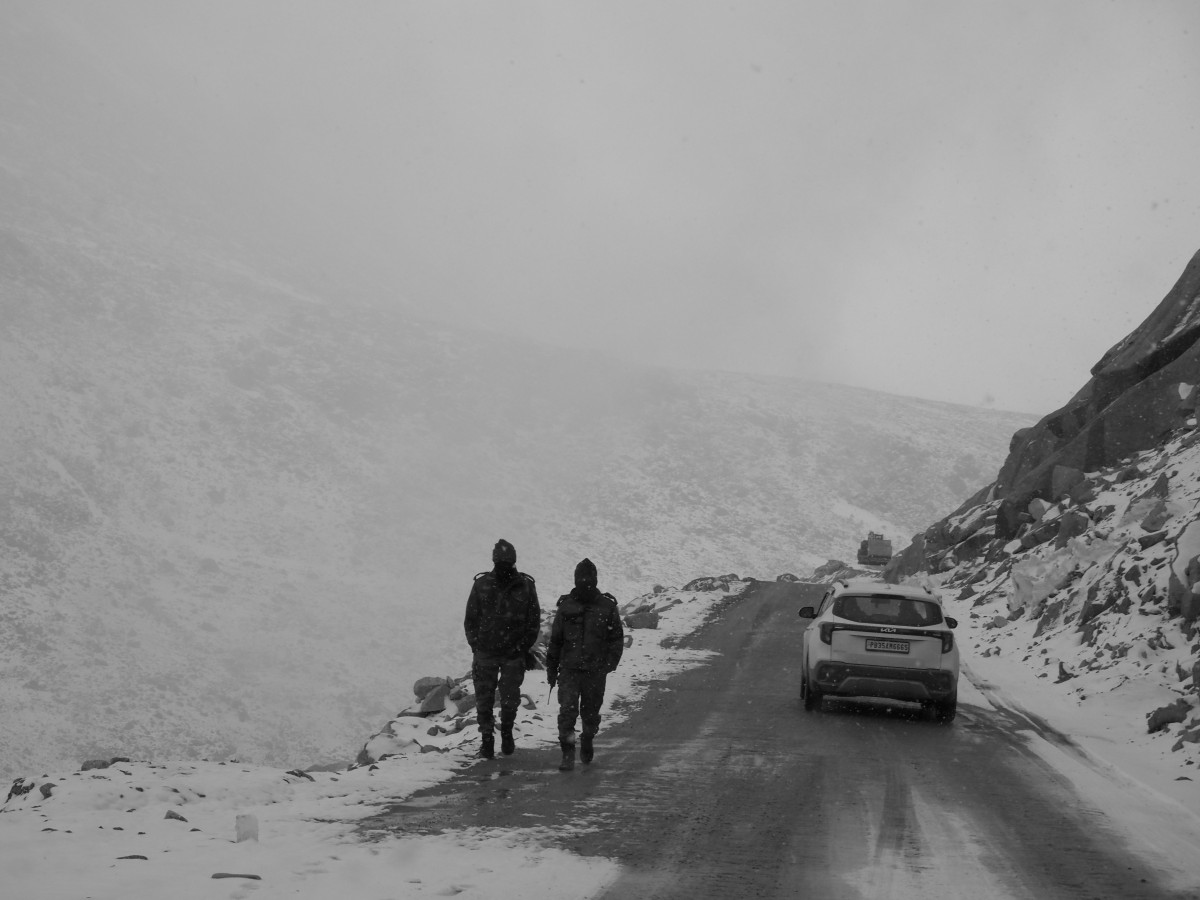
Chang La pass on the Kailash range.
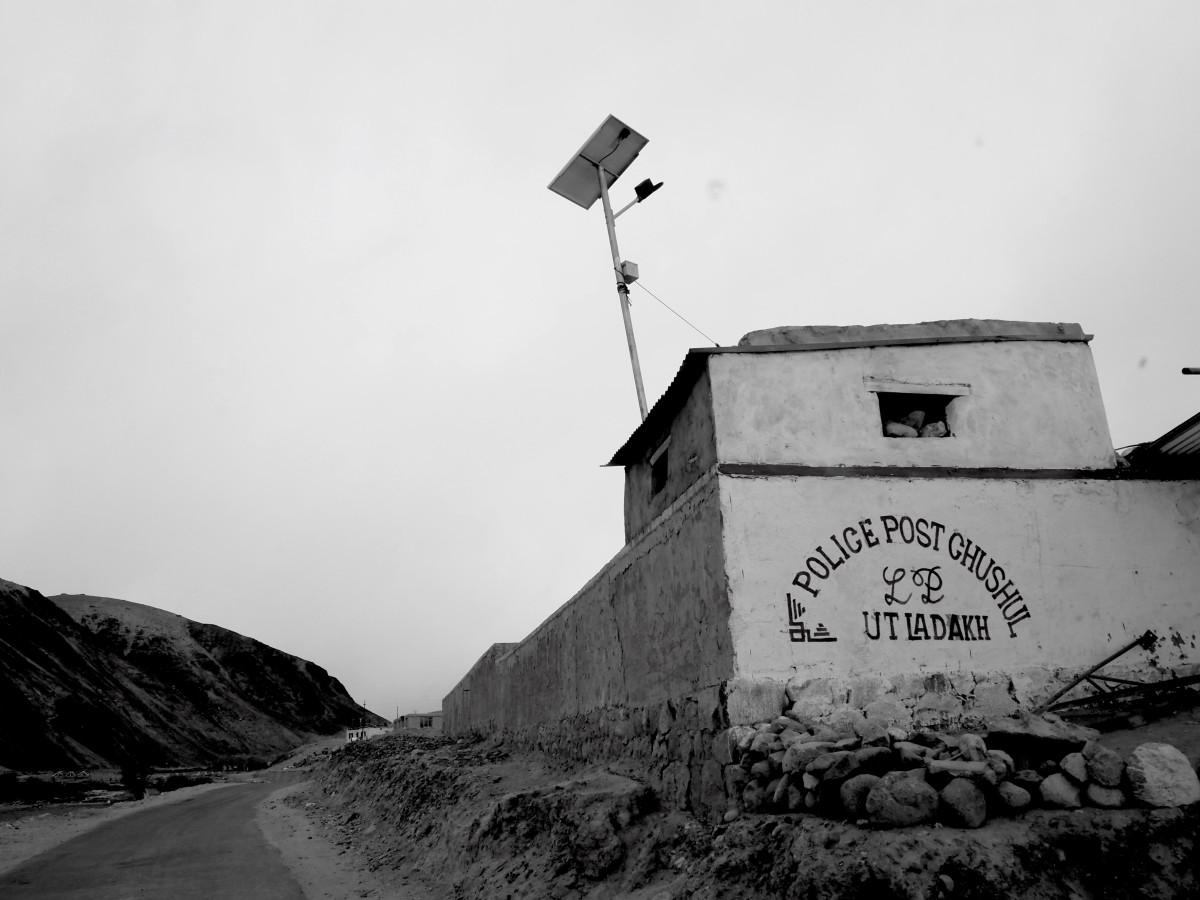
The last civilian police post at LAC.
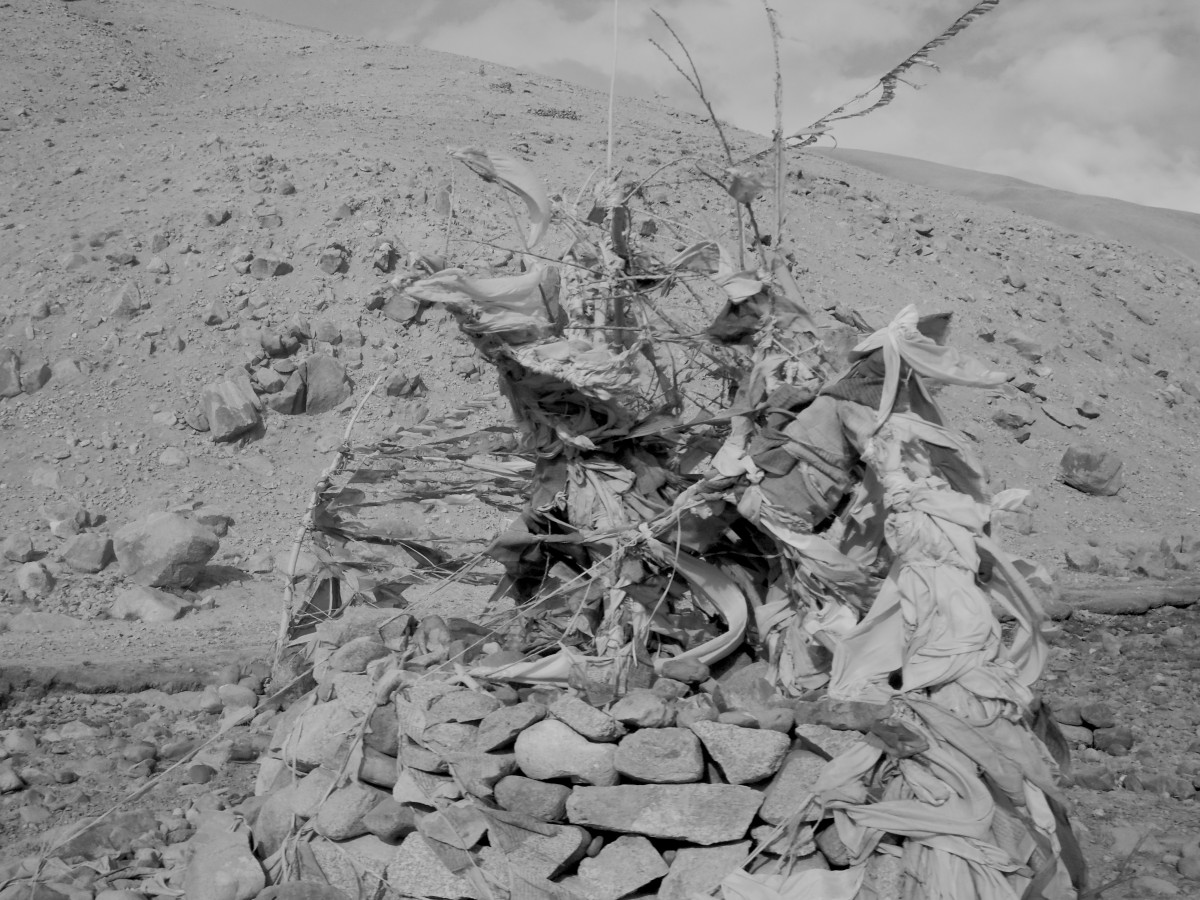
Buddhist holy spots.
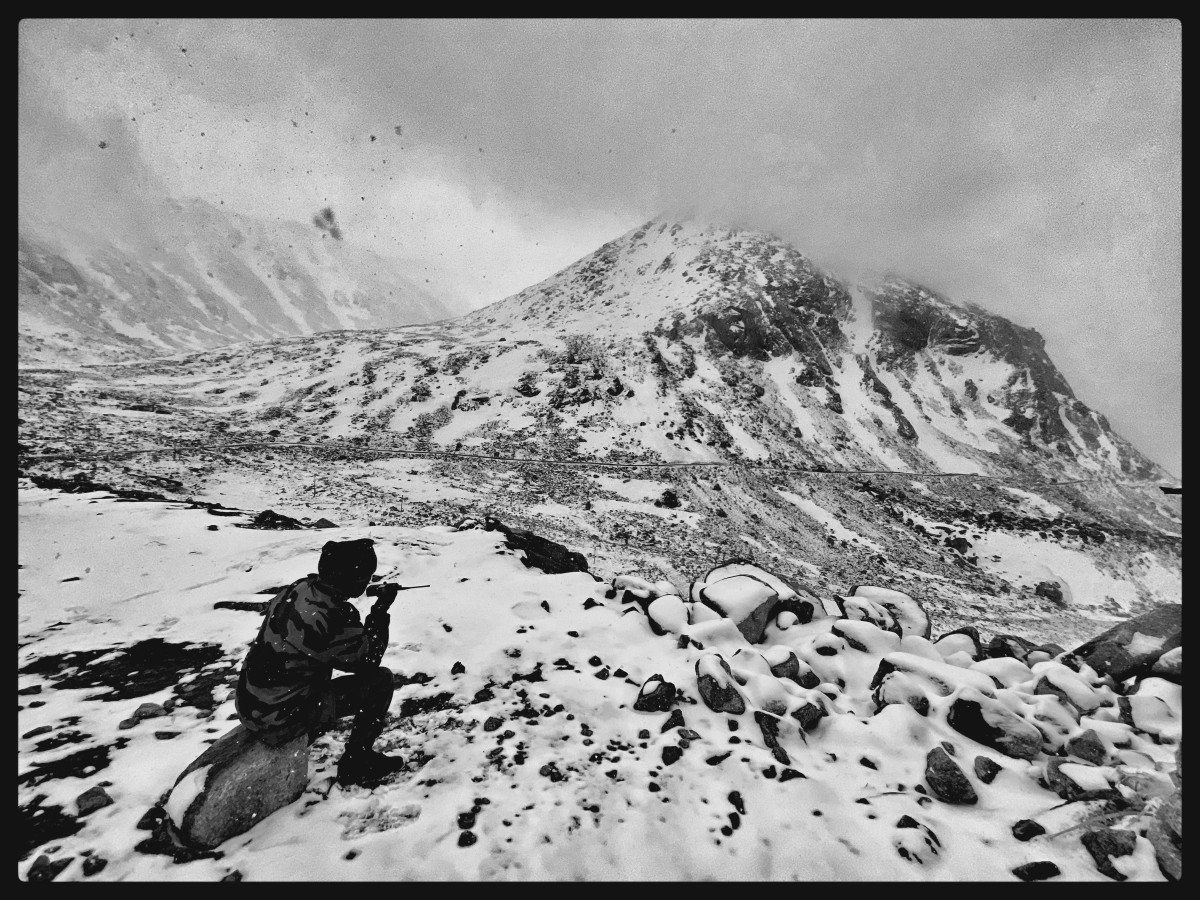
Security personnel at the LAC.
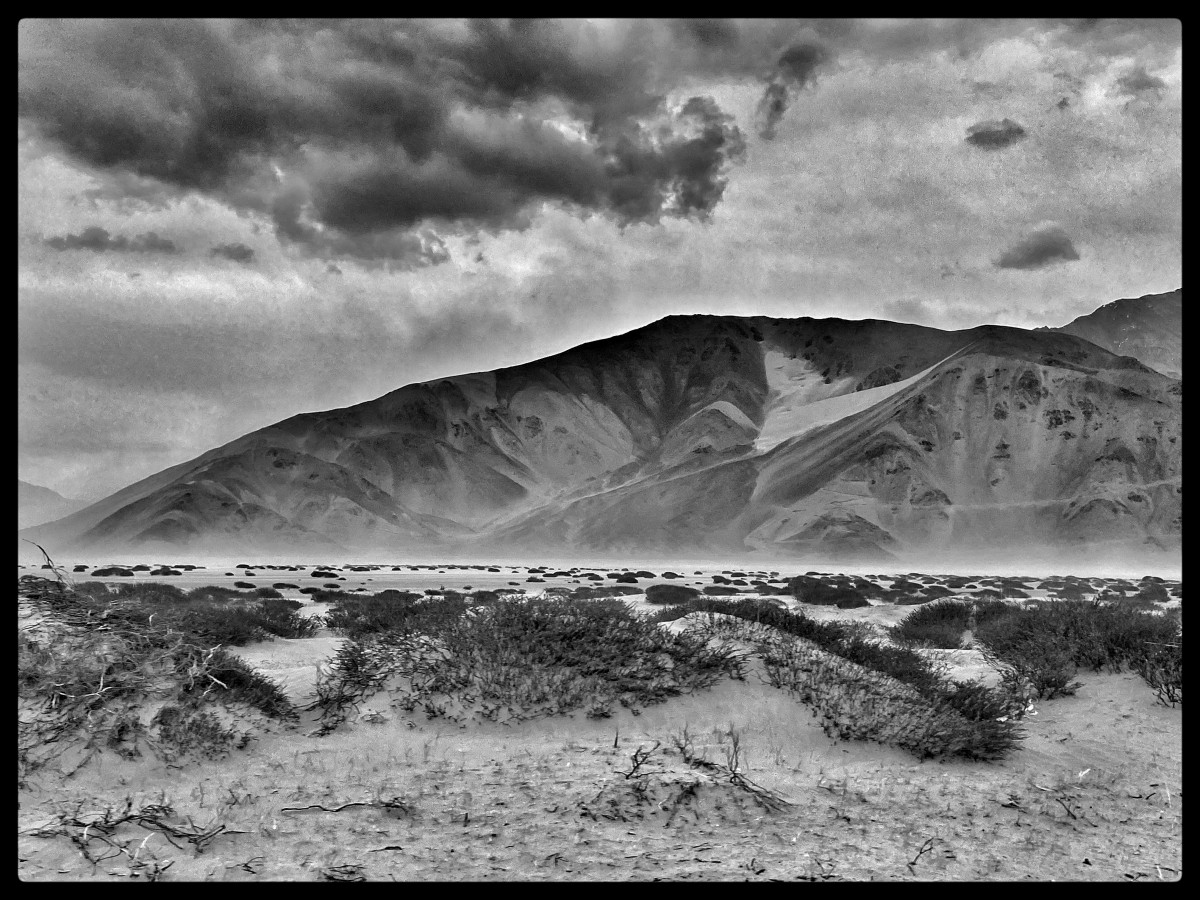
The LAC.
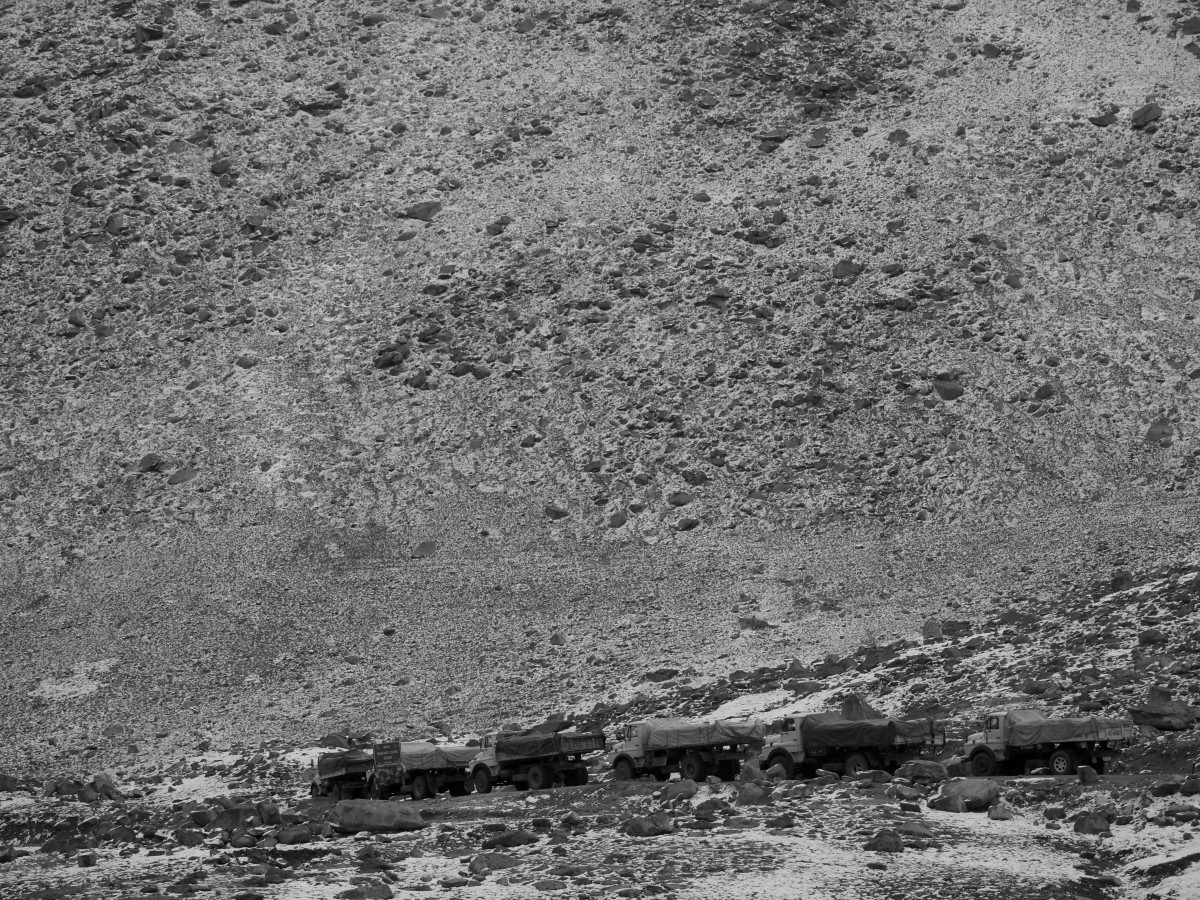
Lorries arrive with provisions to Ladakh's Chushul.
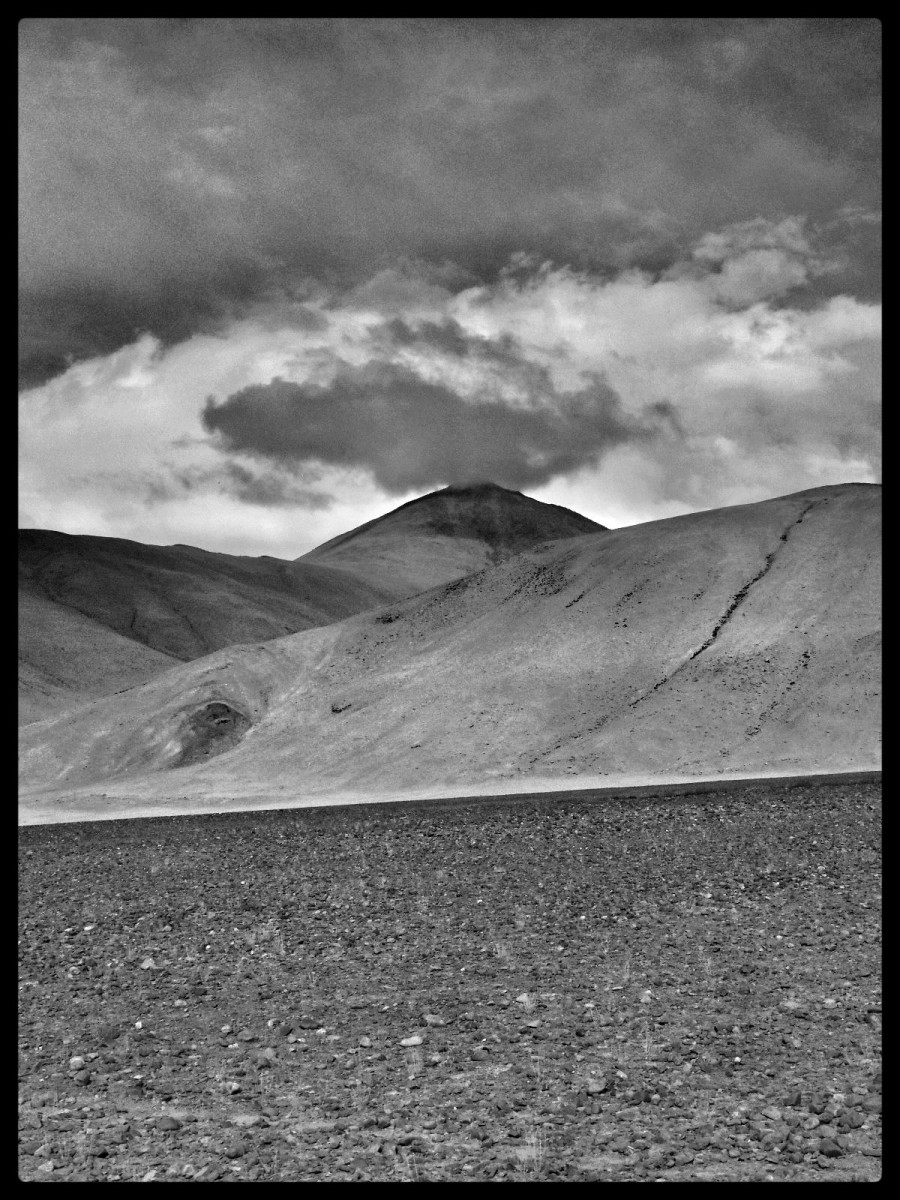
Black Top hill on the LAC.
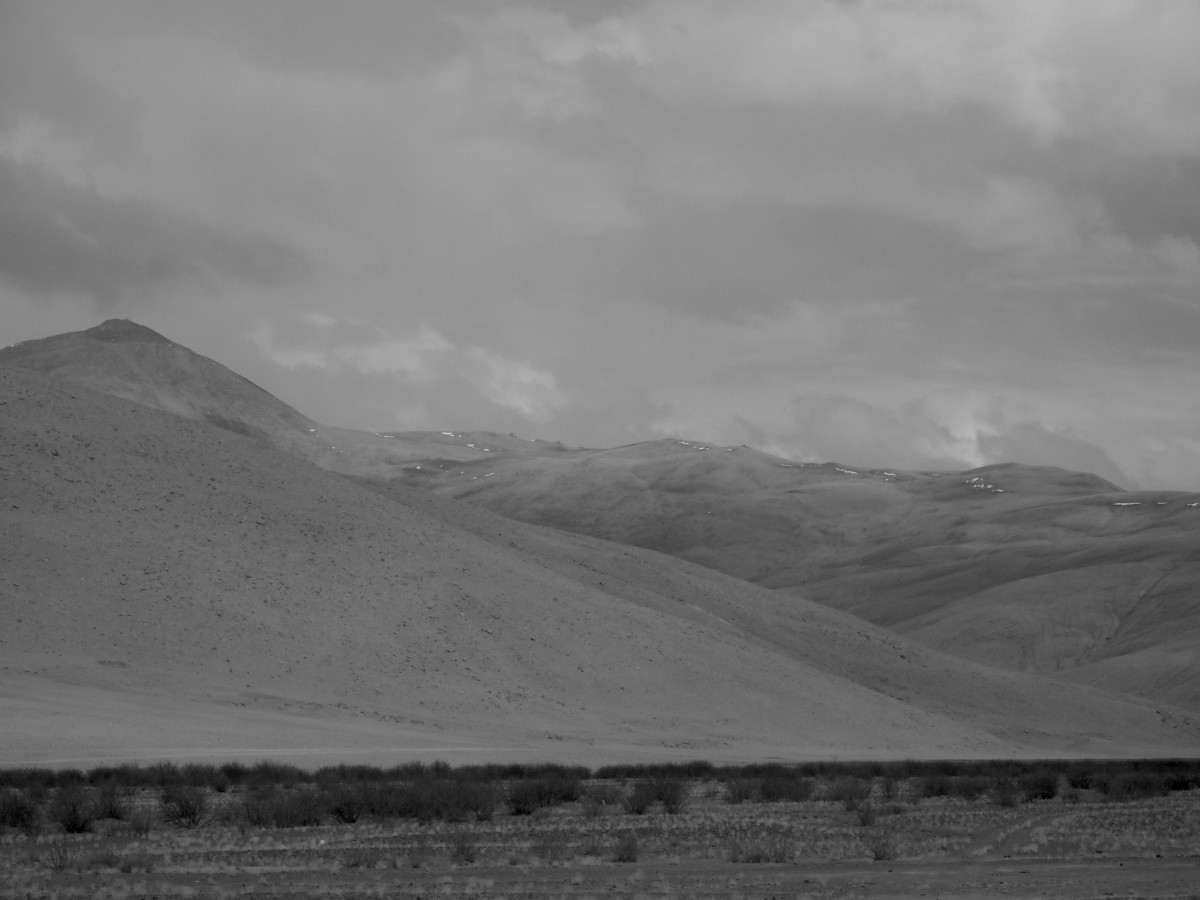
Chinese posts at a distance from Chushul.
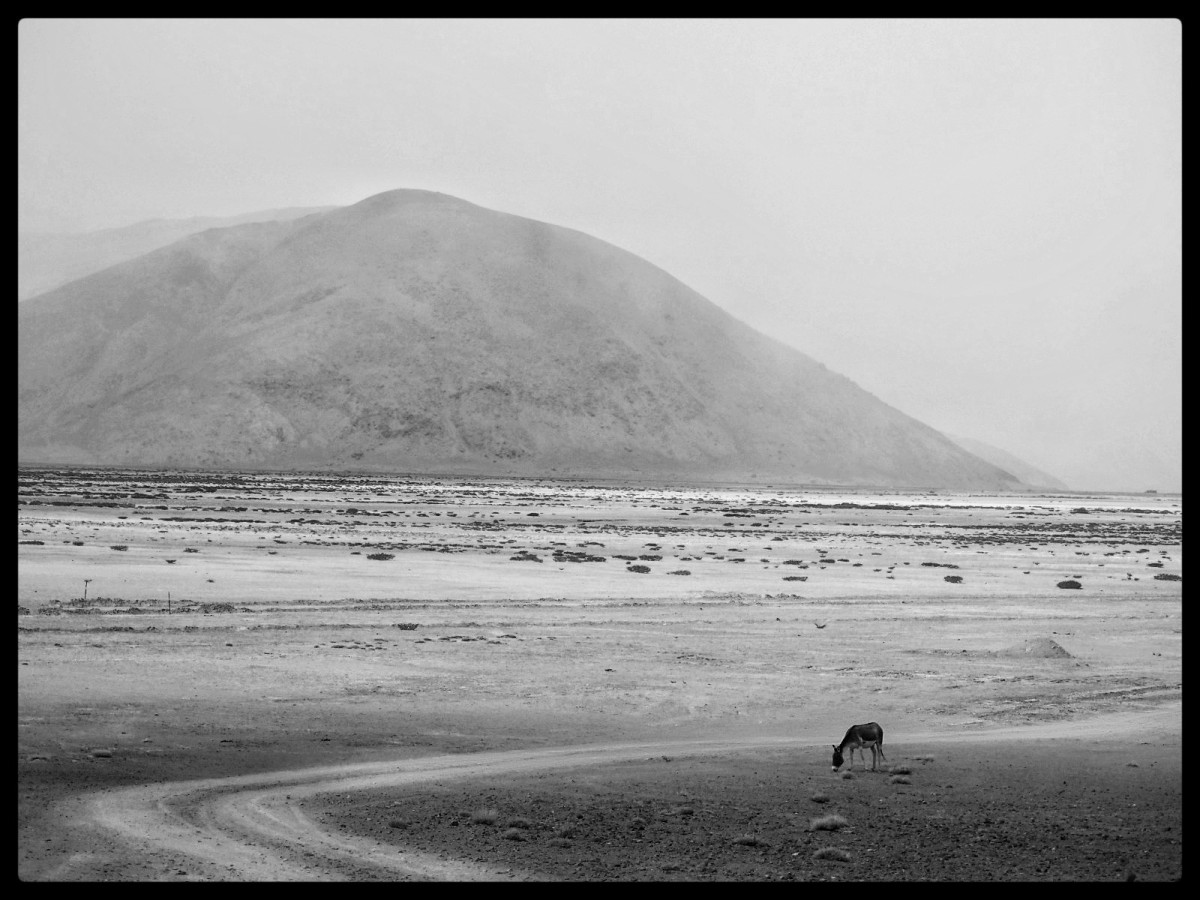
Near the Spanggur Gap on the LAC.
The Wire is now on WhatsApp. Follow our channel for sharp analysis and opinions on the latest developments.


