

Politic | Is Democracy About Rulers' Diktat or People's Rights?


Let’s dig up a pit; a pit big enough to bury the cliché – of the people, by the people, for the people. Democracy, nay, mother of democracy, now thrives in the rulers’ diktats and policing muscles. Democracy has become the legitimising guise of tyranny, not the soul of governance doctrine. Democracy is used as a subject of prime-ministerial boast on foreign tours, not for celebration of constitutional rights on the streets of the national capital.
Prime Minister Narendra Modi needs a plane that costs Rs 8,400 crore, a car worth Rs 12 crore and a security cover that gobbles up Rs 1.6 crore daily. But the common citizens can’t get down at the metro station of their choice! All the metro stations around Jantar Mantar are closed because the police brass fears large gatherings of protesters will scar the emperor’s shining image. Jantar Mantar, the only designated protest site in the nation’s capital, is rendered unreachable by multi-layer barricading. For every little girl or boy moving in with a placard in hand, a hundred policemen are waiting to pounce. He, or she, is bundled into the waiting bus within minutes, as if the police are intoxicated by the lust for erasure of any democratic expression. The nervous sidekicks of the emperor sitting in the air-conditioned chambers must not find any trace of dissent anywhere in the country.
October 2, Mahatma Gandhi’s birth anniversary, filled protesters with heightened sense of freedom and energy. Civil society had given a call for protest against Chief Election Commissioner Gyanesh Kumar this Gandhi Jayanti. They repeatedly petitioned the Delhi Police for permission at Jantar Mantar, the so-called designated site.
That was a perfectly legitimate demand. But the police follow the emperor’s diktat, not the rulebook.
It created an impregnable fortress around Jantar Mantar, throwing students, activists and politicians into hundreds of waiting buses. Parliamentarian and professor Manoj Jha was aghast as he was dumped into an empty bus that drove away in a jiffy, not giving him a good few minutes to explain reasons for his presence there. Activist Yogendra Yadav met the same fate. The police had to struggle to control the intrepid student leader Neha Bora, who returned to the spot again and again.
Young boys and girls who came from places as far as Kerala and Jharkhand were not given even a minute to speak their mind. Why? Aren’t they the “people” mentioned in the definition of democracy? Does the Prime Minister alone enjoy freedom? Freedom to take such silly decisions like inviting the American President to Ahmedabad for a “Namaste Trump show” and declaring midnight demonetisation to throw the lives of over 100 crore Indians out of gear? Freedom to take disastrous decisions like shutting down trains and buses during Covid to trigger an unprecedented humanitarian crisis as millions walked hundreds of miles to reach their homes. That freedom isn’t granted to the citizens; they can’t even express their sense of outrage at being disenfranchised, cheated, robbed and harassed? Poet Munnawar Rana wrote: Ek aansoo bhi huqumat ke liye khatra hai/ tumne dekha nahin aankhon ka samundar hona…?
Prime Ministers and ministers do not own this nation. Jantar Mantar isn’t Amit Shah’s private lawn. They are not expected to treat citizens as dumb subjects who can be misled, ill-treated, harassed, humiliated, threatened and jailed at flimsiest excuses. Modi called himself a sewak and a chowkidar but behaved like a pitiless emperor. Is he aware of the amorality of using force to crush protests against a Chief Election Commissioner accused of stealing votes and illegally striking 13 crore names off the electoral list? Rulers who intend to protect their throne using brute force are living a fool’s paradise.
Strong leader?
What are the attributes of a strong leader? Suppression of truth, using central agencies to crush opponents and critics, and misleading the nation through false propaganda? Nothing symbolises collapse of leadership more than fear of public opinion. If a leader is delighted by the lies hawked by dolled up anchors sitting in TV studios and afraid of the noise of democracy on the streets, his political destruction has begun. Spurious impressions manufactured by the media and the use of state’s coercive powers can delay the end but can’t resurrect political fortunes.
Modi is smart enough a politician to understand that protecting a discredited bureaucrat is a lesser necessity than addressing the concerns of citizens who are only demanding fair elections. It is difficult to believe that the RSS-BJP doesn’t understand how perilous it is to have electoral victories coming with the stench and stain of 'vote chori' suspicion. Even a mediocre student of politics will advise Modi to sacrifice Gyanesh Kumar and wipe the slate clean by sincerely addressing the concerns on integrity of electoral processes. Only extreme cowardice will prevent Modi from running that risk as the pragmatic option is to quickly get out of this stinking drain. If Modi, who has played his innings, decides to persist with the rot, the RSS-BJP should worry about their future.
Every trick to brazen it out will unmask the ugly intent and face of this system. The RSS-BJP can’t survive without political renewal; they desperately need new attire even if they choose to stick with their flawed ideology. Politics of coercion will cement the perception that citizens asking the right questions are not tolerated and only blind loyalty is treated as political virtue. India has crossed that phase and rediscovered her ability to see through the veneer of nationalism and fake promises of development. While nationalism, despite its power to whip up passions, has limited capacity to influence the lives of a population struggling for basic amenities, the development goal has already been postponed to 2047.
The immediate crisis of survival has dragged the masses out of the political hypnosis that Modi wove over the last decade. Substantial sections of society now do not have any yearning for the opium of religiosity and hate that he sells. The message is clear: Bring new stuff or get out of the market.
Voices at protest
An old woman who came to Jantar Mantar on October 2 refused to depart despite her husband’s frantic appeals, “Let’s go; it’s lunch-time. We have seen it all.” The woman, pushing 70, snapped, “Not now. Can’t leave without seeing Neha Bora.”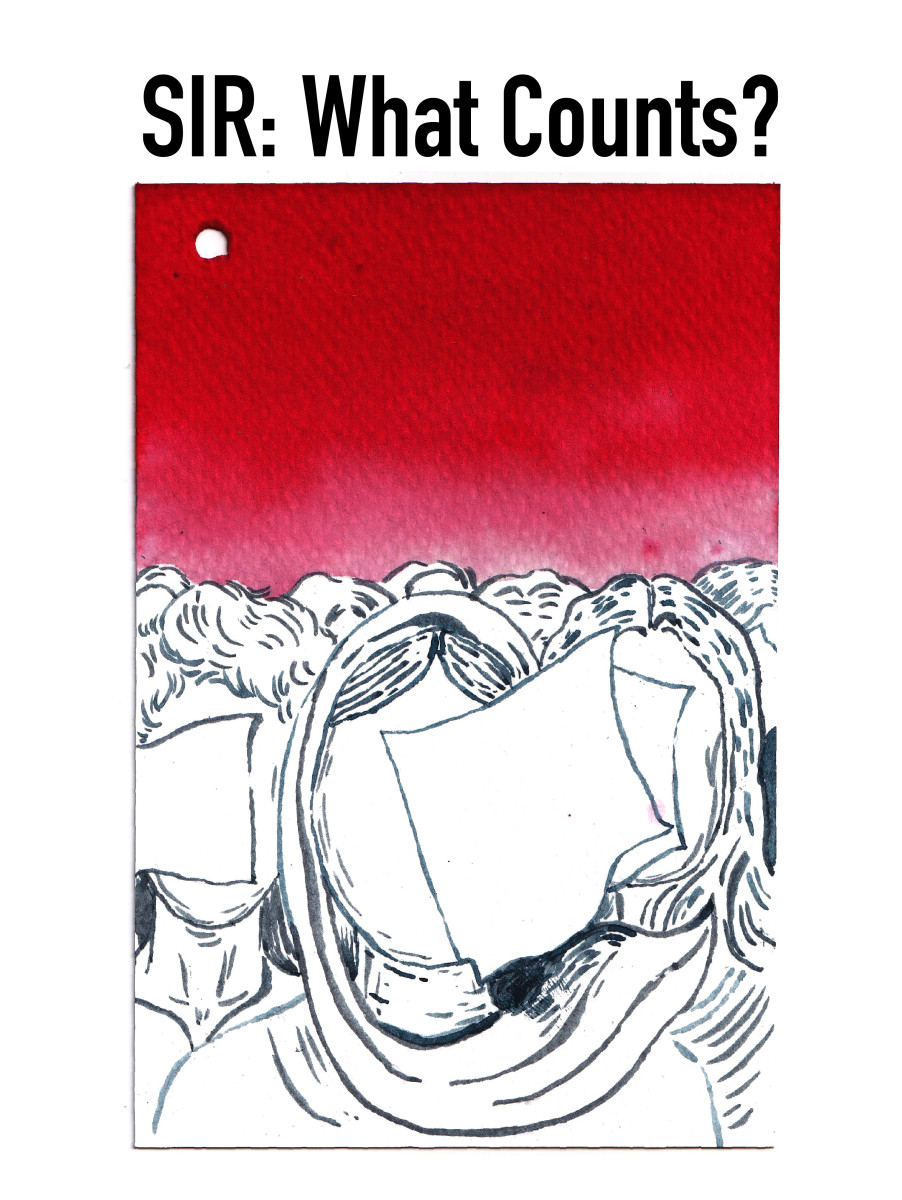
The activist from the All India Students Association (AISA), an outfit of CPI(M-L), was the star attraction. Even media personnel wondered when she would arrive. The old couple, standing under a tree at a safer spot, kept asking the passers-by, “When will Neha come?” The young lady, who had used a Shahrukh Khan dialogue in the morning: Kursi ki peti bandh leejiye, mausam bigadne wala hai (Fasten your seat belts, the weather is about to get rough), indeed generated curiosity among the policemen as well. “Woh ladki aa jaye to mamla khatam ho (Once she arrives, the matter will be over),” a policeman told another, without realising that “woh ladki” will come thrice within hours and the next day again.
But what should really worry the Modi government is the dormant feeling of disgust among the majority of policemen against the repressive tactics. Though reluctant to speak, many of them conceded peaceful protests should be allowed by the Government. Asked if their family members endorsed the violent techniques deployed by the police, many of them said, “They don’t”. Endorsing the cause of the protest, they said, “Hum toh duty kar rahe hain (We're just doing our job)”. Some even lamented that the senior officers were acting in tandem with the political masters.
The most fascinating reactions, however, came from the teenagers. Asked if they were ready to use abusive language again, a little girl smiled and said, “Jaisa kaam karegi sarkar, waisi hi language aayegi (The language will depend on the government's actions).”
Another pointed to the language of politicians and trolls, insisting that abuses were less harmful to the nation than the “dirty things rulers did”. A boy who proudly displayed the “Vote Chor-Gaddi Chhod” placard, said, “We don’t care for the thieves. They deserve no respect.” The worst indictment came from an “andolanjeevi” who participated in almost every protest in Delhi over the past three-four decades. “I won’t go today because I can’t run if the police resort to violence,” he said.
Citizens didn’t nurture such fears during Congress governments. To repeat what the incumbent Prime Minister proudly declared, “Ye Modi hai, Modi, lene ke dene pad jayenge (This is Modi; you'll end up paying the price).”
Sanjay K. Jha is a political commentator.
For our full coverage on the SIR and the issues it has brought to citizens, click here.
The Wire is now on WhatsApp. Follow our channel for sharp analysis and opinions on the latest developments.


