

It's the Small Things | Beyond the Festive Lights


It was that time of the year when every Bengali, and every person in Bengal, irrespective of faith or philosophy, celebrates that autumnal extravaganza called Durga Puja.
We, too, landed in Calcutta (or Kolkata, as you want to call it) one Panchami morning, three decades ago. We had not visited our hometown for almost a year. It would be my son’s first ever Puja celebrations. Most of our extended family would meet him for the first time. Our excitement index, understandably, hit a fever pitch.
The city welcomed us with her signature Puja vibe.
My baper bari (paternal home) hosts a grand Puja that dates back to Bangladesh in the 1800s. Times have changed, geographies have been redrawn, but the religious fervour remains the same. So on the morning of Maha Ashtami, we headed to my paternal home, accompanied by my in-laws. After a moderate wait, we were able to hail two yellow cabs. We were carrying a large suitcase as I planned to stay back with the baby.
All through the ride, my 10-month-old’s excitement knew no bounds. His animated babbling and gurgling kept us entertained as our vehicle tediously crawled forward, till we finally reached home.
I alighted from the cab, baby and handbag in tow, and walked straight into the welcoming arms of my parents. My husband settled the fares and both the cabs drove away. It was a happy homecoming, with my bonny baby soon becoming the cynosure of all eyes.
Around 1 PM, I decided to make my son rest for a while. As I stepped inside the bedroom, I realised something was amiss. I instinctively muttered a prayer, but to no avail. To travel comfortably, we had shoved our suitcase into the cab boot, but didn’t remember to haul it out!
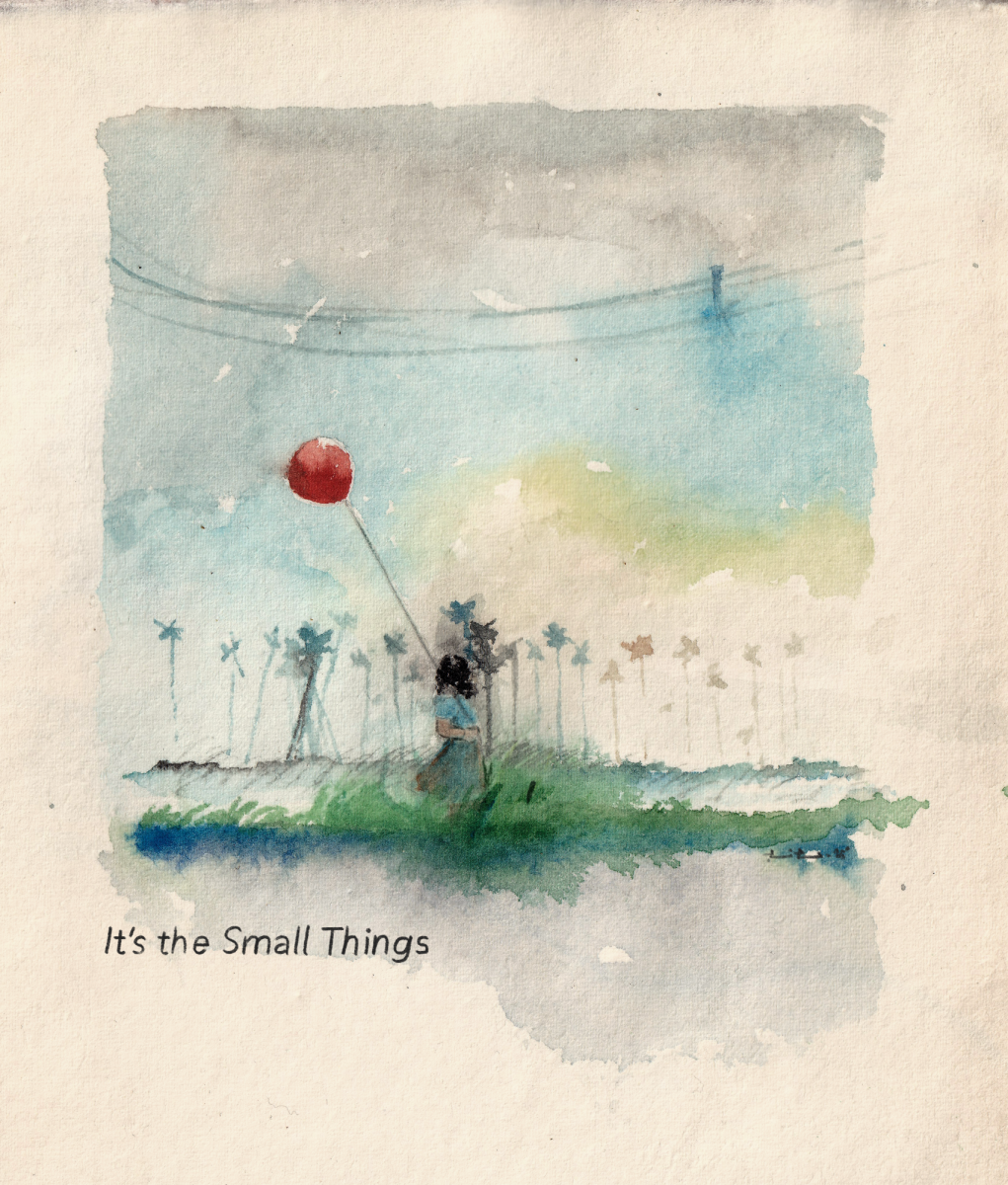
Illustration: Pariplab Chakraborty
The suitcase carried my new sarees, gifts for my parents, all of the baby’s clothes and essentials including his feed, toys, some precautionary medicine, and my brand-new gold jewellery set. To make matters worse, we hadn’t even locked the suitcase assuming it would be a short, uneventful trip.
The next few moments unfolded in a blur – each of us checking inside and outside the house, as if the missing suitcase would appear on its own; each of us silently blaming the other for this criminal oversight.
What gnawed at my heart the most was losing my baby’s belongings. It was late Ashtami afternoon. All stores were shortly to down their shutters for the next one week. Where was the time, or the emotional readiness, to go shopping now!
My husband decided to file a ‘missing item’ complaint with the police, just in case. Back then, there was no other way to trace the cab or garner support digitally. None of us had even glanced at the number plates. Or the driver’s face. There was absolutely nothing that could lead us to the cab. It was like groping in the dark.
The dusk set in. Neither the fairy lights nor the dhaak or the revelry outside could dispel our gloom. We made a list of the things we needed to buy before the stores closed.
Just as my in-laws prepared to leave, we heard a commotion outside – a loud voice asking questions to nobody in particular. Outside the balustrade we saw this middle-aged gentleman asking passersby if a family carrying a suitcase and a baby had arrived there by taxi that morning.
His face looked completely unfamiliar. But his words sounded like a prayer about to be answered.
My husband spoke to the man patiently, corroborating facts and quelling his apprehensions until he was fully convinced.
Apparently, the cab driver went about his rides after dropping us, oblivious of our forgotten suitcase. Only when he opened the boot for an airport-bound passenger did he discover the fiasco. After juggling his memory, he remembered us, recollecting to us my son’s cheerful prattle.
Clutching the suitcase like the proverbial Holy Grail, we thanked him profusely and invited him to tea and sweets. The man refused; ferrying passengers that evening would help buy an extra dress for his young daughter, he said. We offered him some cash with deep humility and gratitude which, again, he declined.
My husband immediately left for the police station to withdraw our complaint. The police asked for the driver’s details which, this time, we had noted down.
Three days later, we spotted our driver smiling from the pages of the newspaper. The police had felicitated him with a cash prize and a certificate, hailing his honesty.
This incident reminded me that goodness often thrives in the most disregarded places. And that the true spirit of a festival lies not in pompous celebrations and loud prayers but in the quiet faith we repose in each other.
Urmi is a Bangalore-based writer-reviewer-columnist who loves the Himalayan mountains, ginger tea and street furries.
We’ve grown up hearing that “it’s the small things” that matter. That’s true, of course, but it’s also not – there are Big Things that we know matter, and that we shouldn’t take our eyes, minds or hearts off of. As journalists, we spend most of our time looking at those Big Things, trying to understand them, break them down, and bring them to you.
And now we’re looking to you to also think about the small things – the joy that comes from a strangers’ kindness, incidents that leave you feeling warm, an unexpected conversation that made you happy, finding spaces of solidarity. Write to us about your small things at thewiresmallthings@gmail.com in 800 words or less, and we will publish selected submissions. We look forward to reading about your experiences, because even small things can bring big joys.
Read the series here.
This article went live on October fourth, two thousand twenty six, at forty-three minutes past six in the evening.The Wire is now on WhatsApp. Follow our channel for sharp analysis and opinions on the latest developments.


