

It's the Small Things | Strings That Held Me Together


Each day in academia was a battle for me, it was beyond the usual academic pressure – the invisible weight of navigating academia as a Muslim was an unspoken burden that quietly kept pulling me down. I was only looking for a space to do meaningful work. But the undercurrent wasn’t very conducive. There were assumptions made based on my name, there were questions laced with disbelief in my choice of clothing since I didn’t fit into their expectation of a Muslim girl clad in a burqa. There were always whispers that died down when I entered the staffroom. And particularly that professor (belonging to an upper caste) who would enthusiastically bring terrorism into discussions when I entered the room as if everyone who is a Muslim by birth had to organically bear the burden of assuming responsibility for every crime committed by extremist groups. I was always somehow the Other to them.
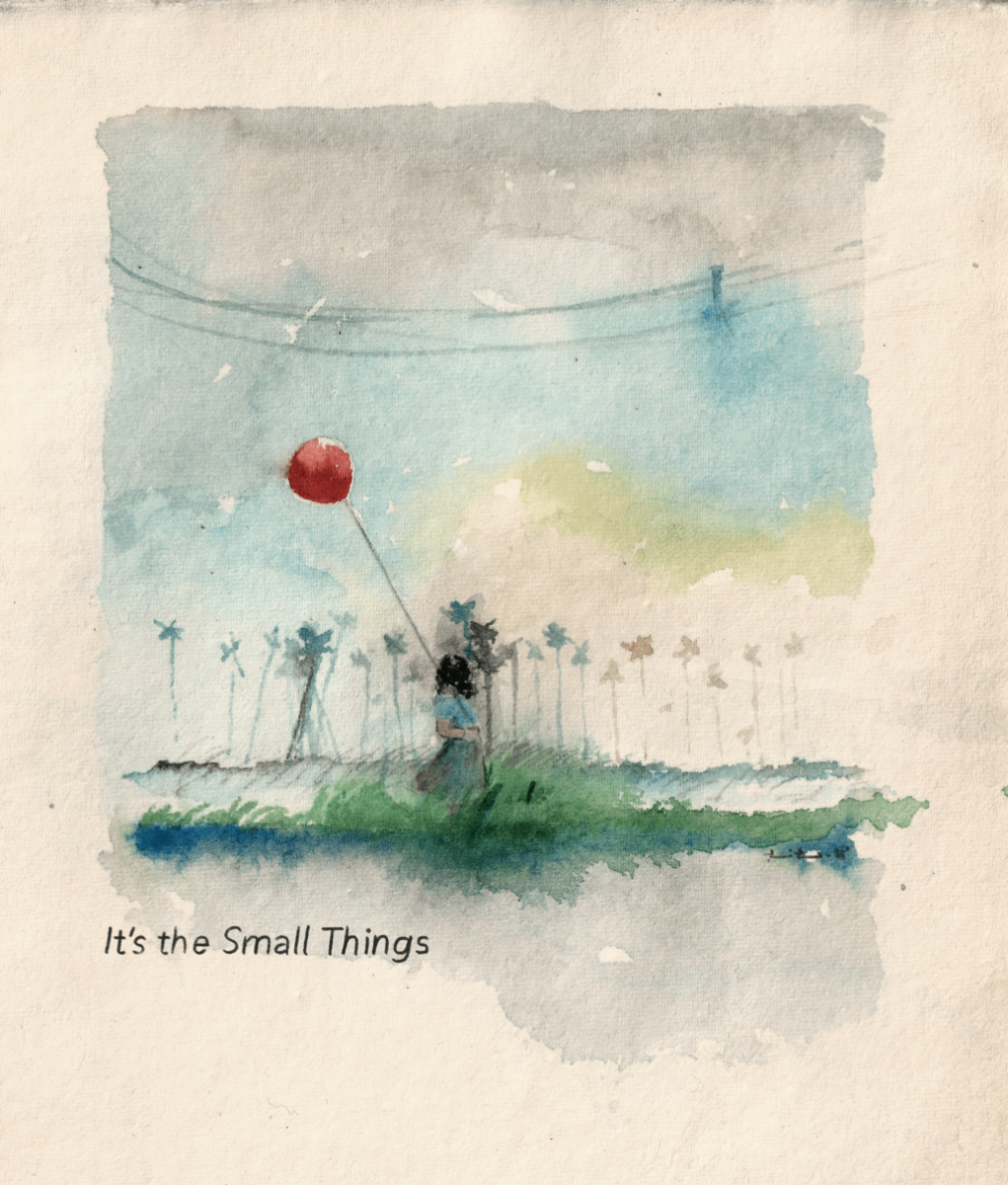 It was in amidst such an air of bleakness that I turned, almost instinctively, to the violin. Signing up for lessons was my small, hopeful attempt to hold onto something that could remind me of a life beyond the suffocating walls of academia, something that would offer me at least a semblance of meaning. A safe place that wouldn’t discriminate.
On a fine evening in December, I stepped into the class with an instrument bought on a shoestring budget; clumsy and nervous. A grumpy looking young man greeted me with the question, “How old are you?” which was followed by some generic introductory questions. I responded in a feeble voice, the classes began.
My teacher, Mr Keerthan Robert, is a popular name among musicians in Chennai. He was not the sort of teacher who dazzled you with flamboyance; rather he is someone who carries a quiet depth. As days and years passed by, just like I firmly believed, I started to find reprieve in music. It started to speak a different language to me, a language so universal yet very personal, the only language that could articulate where words failed. The classes started to become a place where I felt free. It became a safe space where I could let my inner child run free. I played with incredibly talented children who were half my age who assumed (for my petite demeanour) that I was a high school student. I felt alive in the company of children. Their unbridled innocence, compassion and mischievousness welcomed me in. It was a place sans judgements.
However, as time went by, my violin started to display extreme temperaments. Lenore (my violin) would have mood swings. I felt like living with another human companion! Initially it wasn’t very bothersome, but when my grade exams were announced, my violin dramatically decided not to cooperate. The pegs wouldn’t stay in place, the tuning would betray me midpiece, adjusting the tuners or even changing the strings didn’t work. The instrument simply wouldn’t hold up. My violin’s vehement protests bothered me deeply. I hesitantly texted my teacher two days before the exam, explaining the quagmire I was in.
I wasn’t expecting a reply, everybody who knew him told me, “He’s too professional to respond to personal messages, text at your own risk!” But I wanted to share this with someone who would understand; none of my friends were into western classical music, let alone the violin. To my surprise, my teacher responded. I asked if I could borrow a violin from him, and he responded with “I’ll lend you my violin”. I was only expecting a polite dismissal of my concern, or a few words of reassurance stating that I will be able to manage on my own violin. Instead, his generous gesture almost left me stunned for moment. This was not just any instrument – it was his instrument!
As a beginner, I felt unworthy even to hold my teacher’s violin and I immediately wanted to undo what had just happened. For a musician, the instrument is personal, like an extension of the body. So my teacher agreeing to part with his violin for two days was unthinkable for me. However, I kept a straight face, went to his home and borrowed the violin, albeit reluctantly. I completed the exam and returned it, thanking him briefly. Sir dismissed the gesture like it was nothing. But for me it meant everything. Although it felt like an added responsibility, I cherished having my teacher’s violin with me for two days. What touched me was not just the material value of the violin – though it was indeed an expensive and treasured instrument – but the trust behind the gesture. He did not treat me as a mere student renting his time; he treated me as someone worthy of his trust.
This act of love will always stay with me as a gentle reminder that love doesn’t always have to be loud – sometimes it is just someone saying 'yes', without making a show of it, when they could have said no.
Almas Thanzi is a researcher.
The Wire is now on WhatsApp. Follow our channel for sharp analysis and opinions on the latest developments.


