

In Photos | Salt: A Second Cry for Freedom


On March 12, 1930, Mahatma Gandhi began a historic 240-mile march from his ashram to the sea. When he arrived in the coastal town of Dandi on April 6, he famously lifted a handful of salty mud, defying the Indian Salt Act of 1882, a British law that gave the empire a monopoly on the production of salt. Violating the Act, by illegally collecting or selling salt, was considered a criminal offence. The act ignited the Civil Disobedience Movement, a pivotal moment in India's fight for independence.
Today, just over 400 kilometres to the north, in the vast, desolate landscape of the Little Rann of Kutch, salt remains at the heart of another, far less celebrated, struggle. For the Koli community, a Denotified Tribe once unjustly labelled as "criminal" under British-era Criminal Tribes Act of 1871, salt is both a source of livelihood and a symbol of enduring hardship. In this furnace-like desert, where summer temperatures can soar above 50 degrees Celsius, roughly one Lakh Agariya (salt workers) endure brutal conditions to produce nearly a third of India's salt.
They work for nine months a year, in a harsh environment that offers little more than scorching white vistas and endless deprivation.
The Agariyas live in makeshift homes, with no running water and little access to healthcare or education. Their labour yields an average of 800 tons of salt per family, yet the meagre earnings keep them trapped in a cycle of poverty.
As India commemorates the 156th birth anniversary of Mahatma Gandhi, the Koli and the hundreds of other denotified tribes – still burdened by the persistent stigma of their past – are a stark reminder that the fight for freedom and dignity continues. The legacy of Gandhi's protest, centred on a simple handful of salt, now offers a powerful symbol for a second freedom movement: one that seeks to break the chains of poverty and social marginalisation that still bind so many.
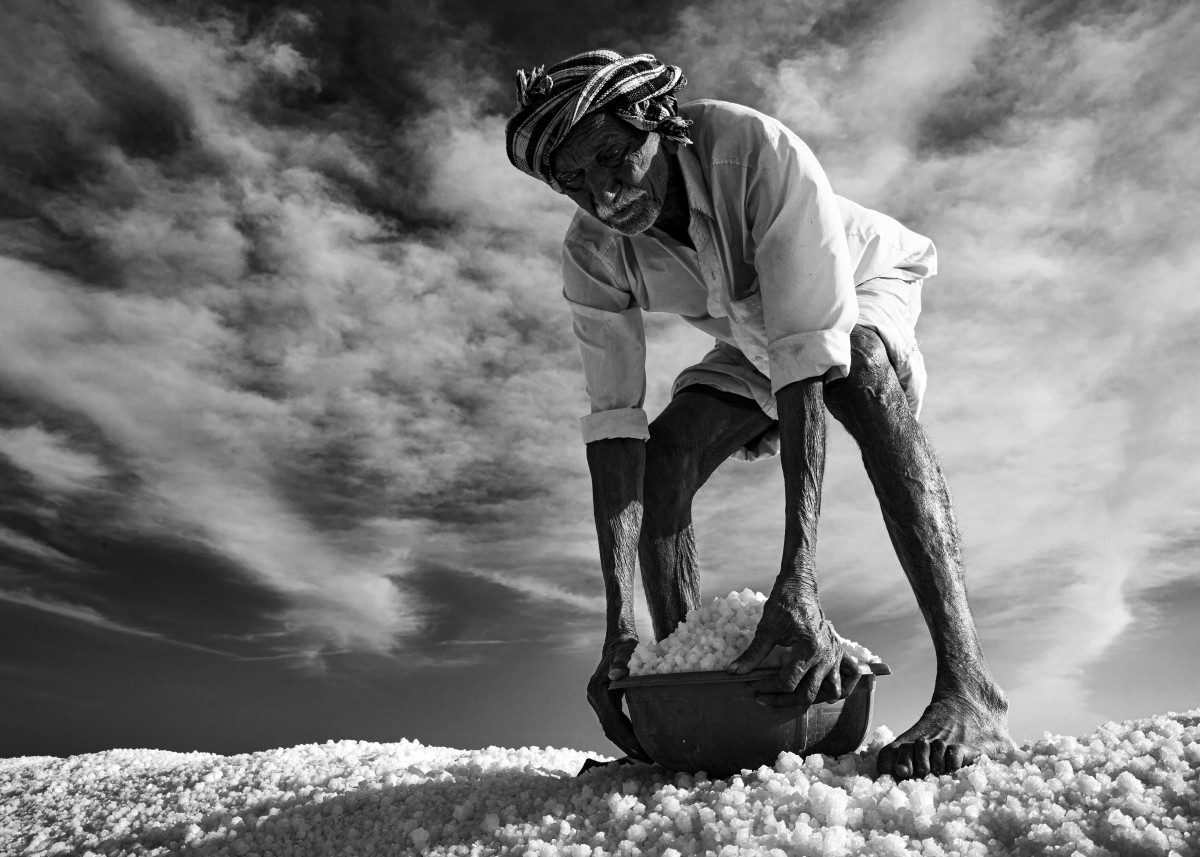
More than one lakh Agariyas endure brutal conditions to produce ten lakh tons of salt annually. Facing extreme heat and dehydration, they earn as little as Rs 100 per ton. With no land rights and mounting debt, their daily reality is defined by systemic inequalities and exploitative economic structures that perpetuate their marginalisation.
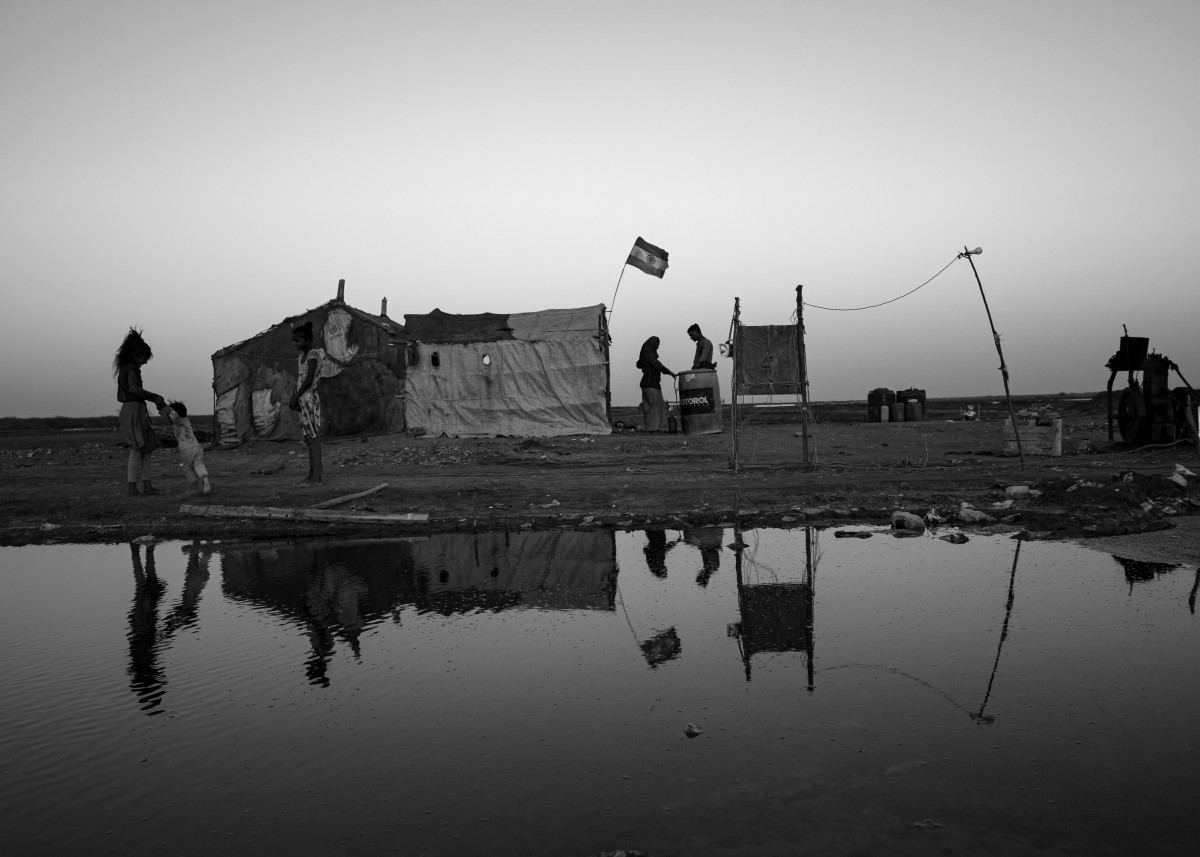
For eight months each year, a Koli family lives and works on a one-acre salt pan, sheltered only by a tent of jute and bamboo.
Their traditional access to the land is under threat since the Little Rann of Kutch was declared a wildlife sanctuary.
This conservation effort, which issues eviction notices to many, has largely ignored the indigenous, ecologically sustainable practices of the Koli people.
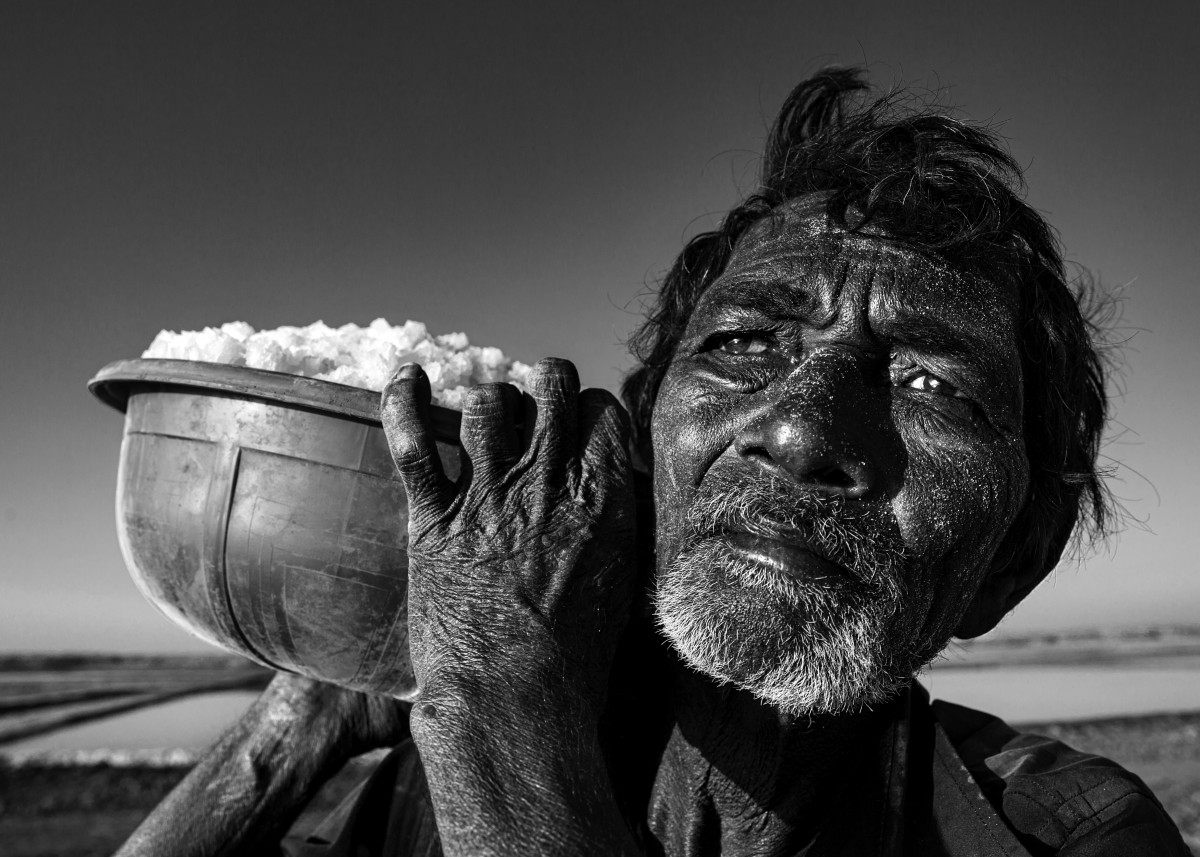
Historical perceptions, often rooted in colonial-era social structures, continue to shape how Denotified Tribes like the Koli are viewed. The struggle for cultural identity and mental liberation remains an uphill battle for these marginalised communities in a world where neocolonial mindsets persist.
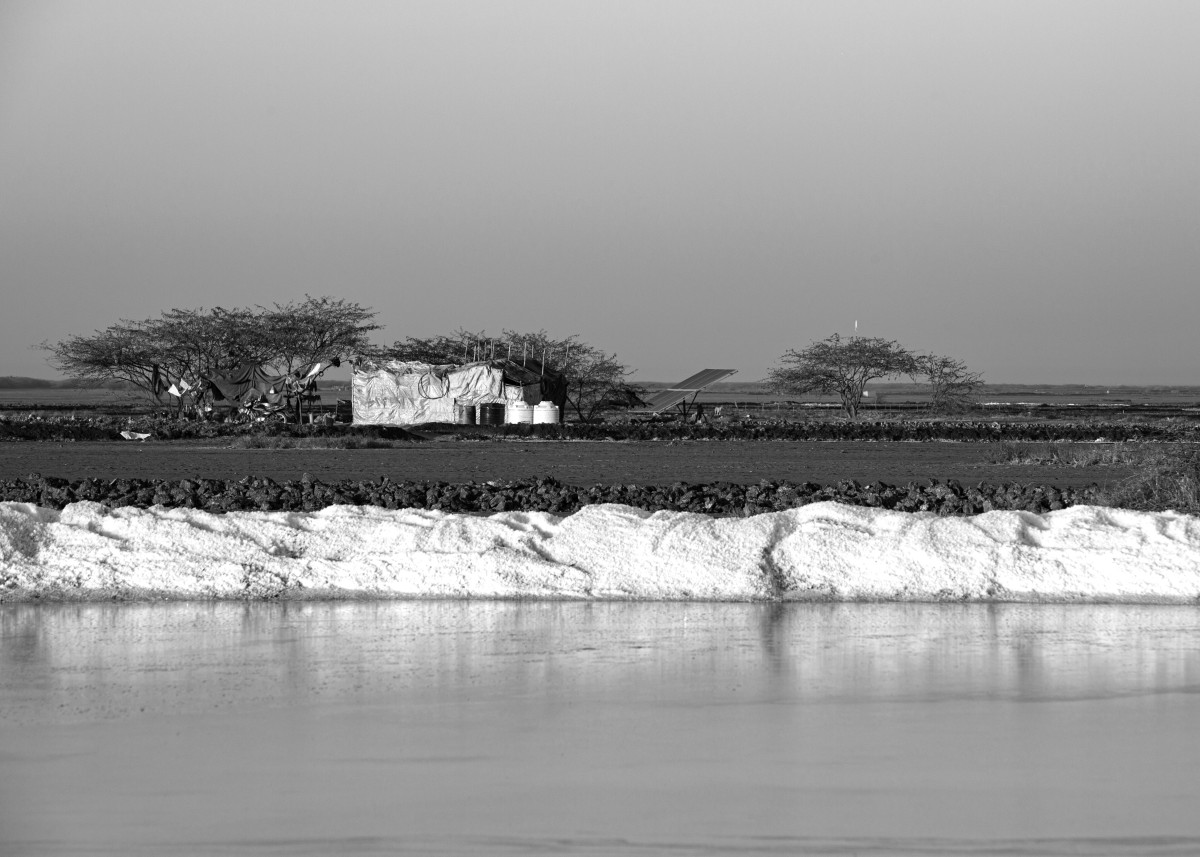
Once a shallow arm of the Arabian Sea, the Little Rann of Kutch was uplifted by tectonic forces approximately 2,000 years ago, creating the present-day salt marsh. After the monsoon season, brine from underground is pumped into salt pans, where the water evaporates, leaving behind the salt that is harvested by the Agariyas.
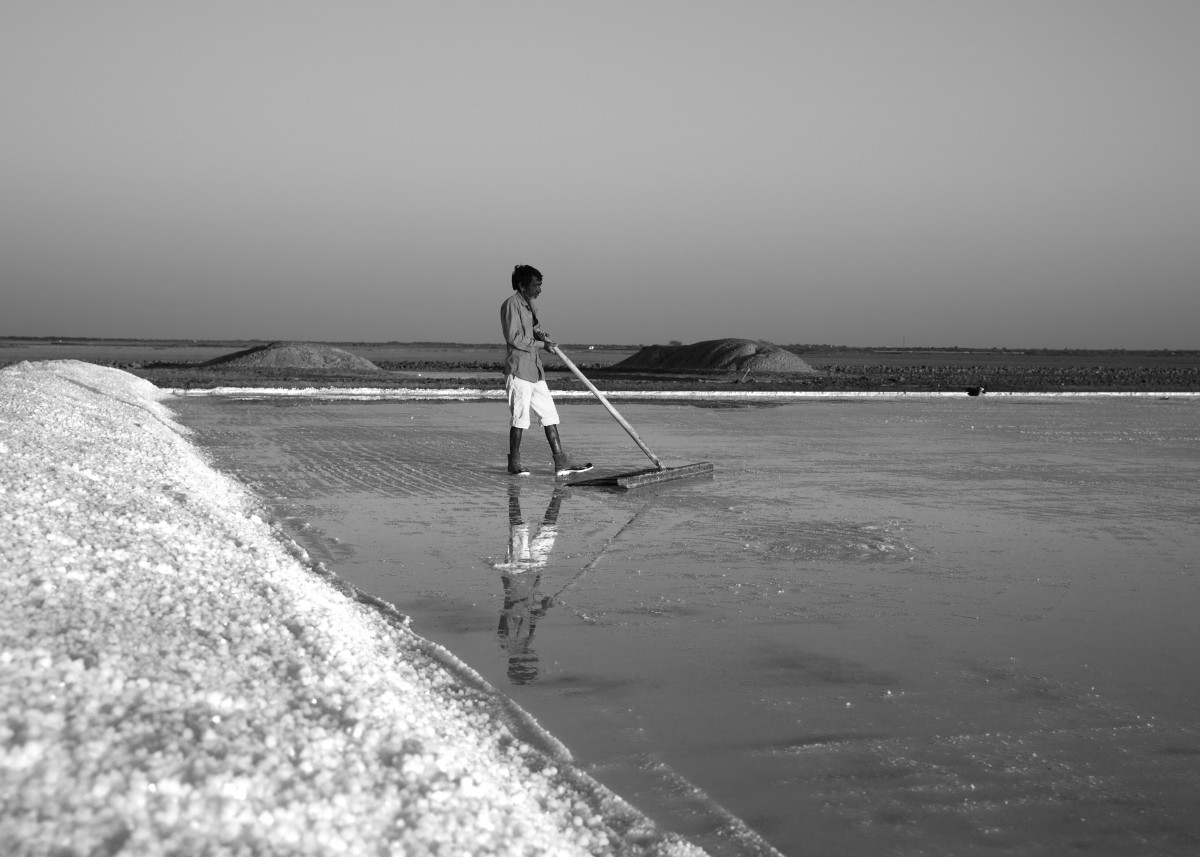
Migrant salt workers from the Little Rann of Kutch meet roughly 30% of India's salt needs.
However, these labourers – many from Denotified Tribes – experience displacement and stigmatisation.
Their integration into broader society remains a challenge, as they often face discrimination and a lack of respect for their cultural and historical contexts.
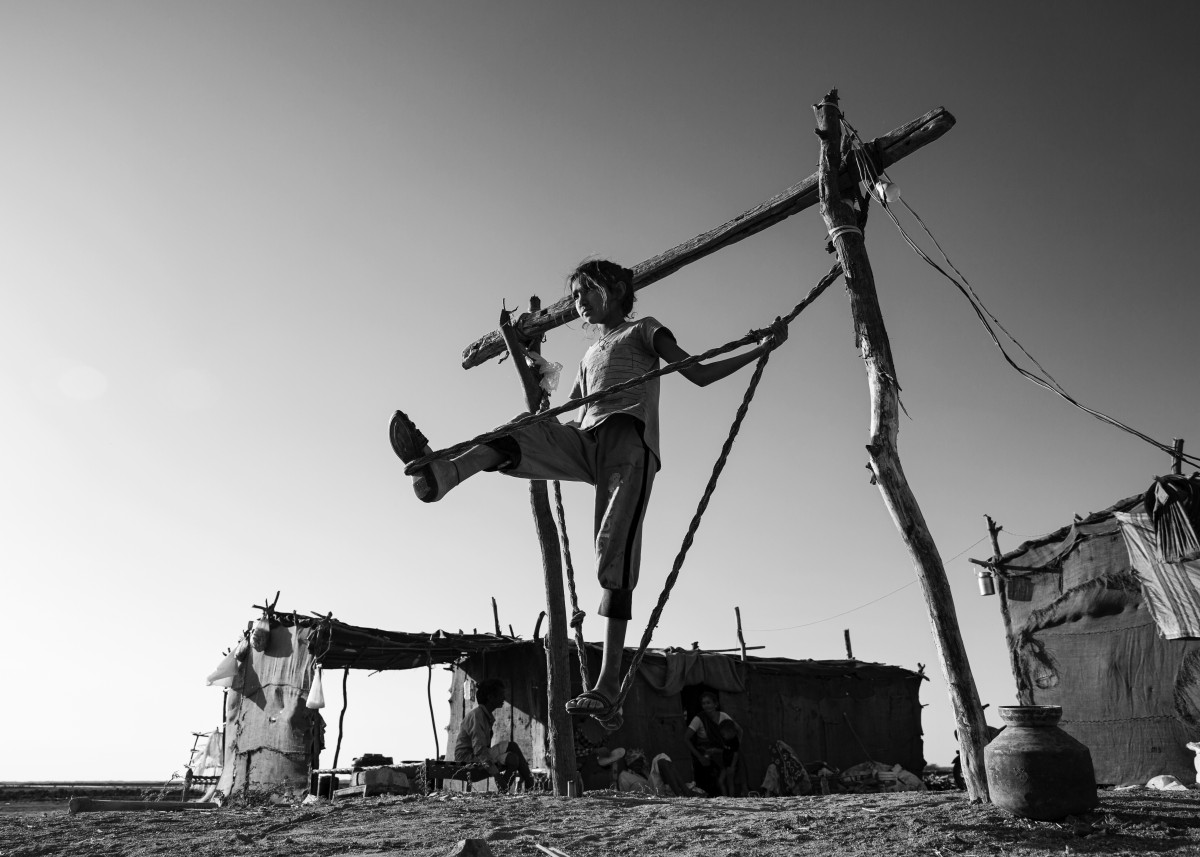
Koli children live and work in a vulnerable environment, with limited access to education due to the isolation of the desert region.
Their intellectual heritage is often overlooked by contemporary knowledge systems, contributing to the erosion of indigenous identities and cultural traditions.
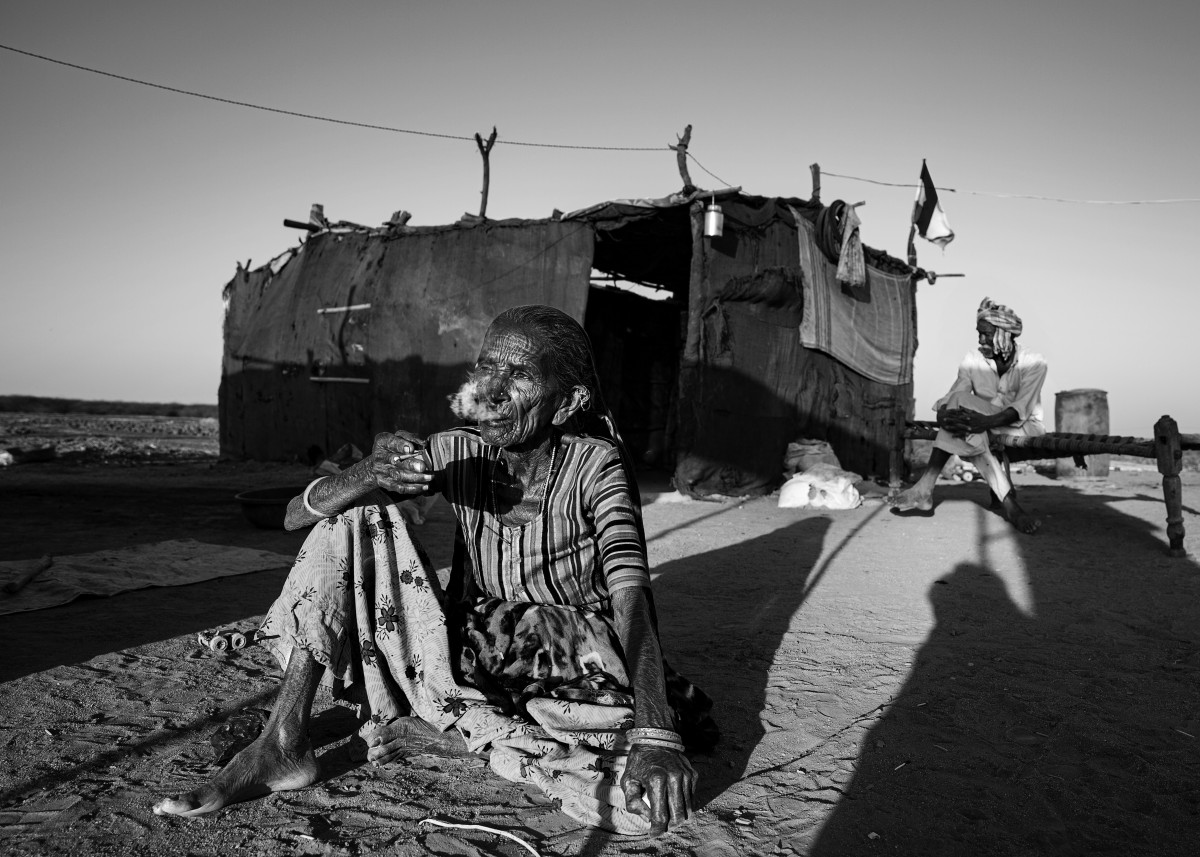
Life for the Koli is constant movement. Apart from the occasional break, there is little time for anything else. From the start of the season to the daily movement to the salt pan, entire families are perennially on the move-the young , the old, the infirm, the women and the children. Because everyone has to earn.
Photographs: Asha Thadani
Asha Thadani is a photographic artist. Her work focuses on communities at the lowest end of power hierarchies across India.
Text: Ramesh Ramanathan
Ramesh Ramanathan is a writer who lives and works in Kodaikanal.
The Wire is now on WhatsApp. Follow our channel for sharp analysis and opinions on the latest developments.


